 Pin It
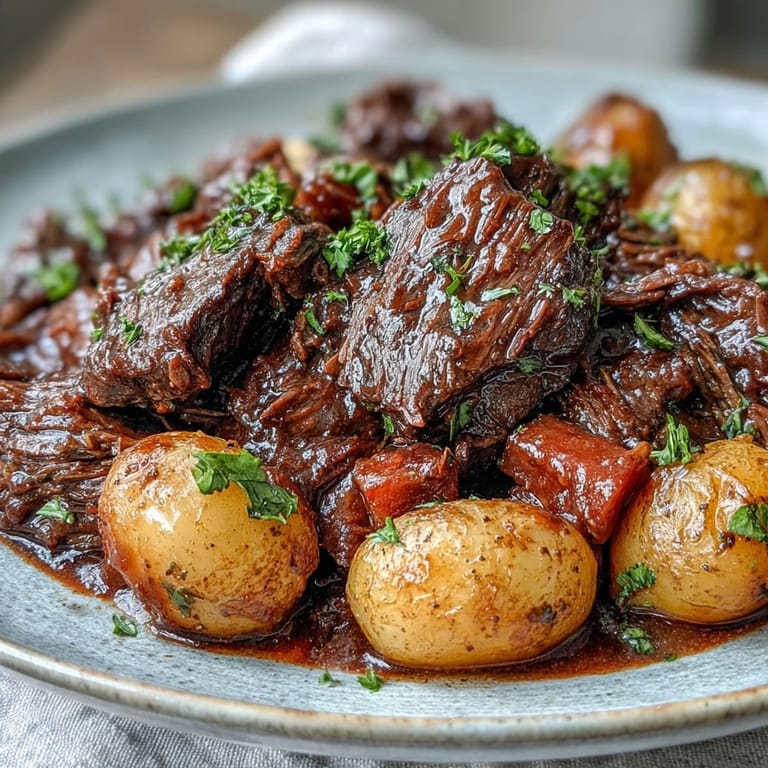
 The scent of browning beef hitting a hot pan is one of those smells that stops everyone in their tracks. I was hosting a Sunday dinner and decided to try pot roast for the first time, convinced I'd ruin it. Three hours later, the meat was so tender it pulled apart with a fork, and my kitchen smelled like a cozy French bistro. Everyone went quiet when they tasted it, then someone said, Pass the potatoes, and we all laughed because we knew this was going to be a regular thing.
I made this for my neighbor after she had surgery, and when I dropped it off, she teared up a little. She told me later it reminded her of her mothers cooking, something she hadnt tasted in years. Food has this strange power to reach backward through time and pull up memories you thought were lost. That pot roast became our unofficial language for care, something I now make whenever someone needs a little comfort without words.
Ingredients
- Beef chuck roast or blade roast (3 to 3.5 lb): Look for good marbling, those streaks of fat melt into the meat and keep it moist during the long braise.
- Kosher salt (1 ½ tsp) and black pepper (1 tsp): Season generously, the salt pulls out moisture for better browning and deeper flavor.
- All-purpose flour (2 tbsp): A light dusting helps create that beautiful crust when you sear, and it also thickens the gravy later.
- Olive oil (3 tbsp, divided) and unsalted butter (1 tbsp): The combo gives you a high smoke point plus that buttery richness, perfect for a deep golden sear.
- Yellow onion (1 large): Cut into thick wedges so they hold their shape and add sweetness as they soften in the braising liquid.
- Garlic (4 cloves): Smash and peel them, they become mellow and almost sweet after hours in the pot.
- Carrots (4 medium), celery (3 ribs), baby potatoes (1 ½ lb): These soak up the sauce and turn into little flavor bombs, cut them big enough that they dont fall apart.
- Tomato paste (2 tbsp): Cooking it until it darkens adds a concentrated umami depth you cant get any other way.
- Dry red wine (1 cup): Use something youd actually drink, it deglazes the pan and adds acidity that balances the richness.
- Low-sodium beef broth (2 ½ cups): This is your braising base, low sodium lets you control the salt as the liquid reduces.
- Worcestershire sauce (1 tsp): Just a splash brings in that savory, slightly tangy note that ties everything together.
- Fresh rosemary (2 sprigs), thyme (3 sprigs), bay leaves (2): These herbs infuse the broth with earthy, woodsy flavor, fish them out before serving.
- Cornstarch slurry (1 ½ tbsp cornstarch plus 2 tbsp water): Optional but helpful if you want a thicker, spoonable gravy instead of a thin jus.
- Fresh parsley (chopped): A bright green finish that cuts through all that richness and makes the plate look alive.
Tired of Takeout? 🥡
Get 10 meals you can make faster than delivery arrives. Seriously.
One email. No spam. Unsubscribe anytime.
Instructions
- Preheat and prep the beef:
- Set your oven to 300°F if youre using it. Pat the roast completely dry with paper towels, then season every side with salt and pepper, and dust lightly with flour, shaking off the excess.
- Sear the roast:
- Heat 2 tbsp oil and the butter in a heavy pot over medium-high heat until shimmering. Lay the roast in and let it sizzle undisturbed for 4 to 5 minutes per side until deep brown, turning to sear the edges too, then move it to a plate.
- Cook the aromatics:
- Lower the heat to medium and add the last tablespoon of oil if the pot looks dry. Toss in the onion wedges and cook for 3 to 4 minutes until softened and golden, then add the garlic and stir for 30 to 60 seconds until fragrant.
- Build the braising base:
- Stir in the tomato paste and cook for 1 to 2 minutes until it darkens and smells sweet. Pour in the red wine and scrape up all the browned bits stuck to the bottom, let it bubble for 2 to 3 minutes to reduce slightly.
- Add liquids and herbs:
- Pour in the beef broth and Worcestershire sauce, stirring to combine. Toss in the rosemary, thyme, and bay leaves, then nestle the roast back into the pot along with any juices, the liquid should come about halfway up the meat.
- Start the braise:
- Bring everything to a gentle simmer over medium heat. Cover tightly and either reduce the heat to low or transfer the pot to the oven, and cook for 1 ½ hours.
- Add the vegetables:
- After 1 ½ hours, flip the roast over. Tuck the carrots, celery, and potatoes around and under the meat, pushing them into the liquid, then cover again and cook for another 1 ½ to 2 hours until the beef is fork-tender and the vegetables are soft but not mushy.
- Rest and thicken the gravy:
- Transfer the roast and vegetables to a platter and tent with foil. Skim the fat off the surface of the liquid, then bring it to a simmer and stir in the cornstarch slurry if you want a thicker gravy, cooking for 2 to 3 minutes until it coats a spoon.
- Finish and serve:
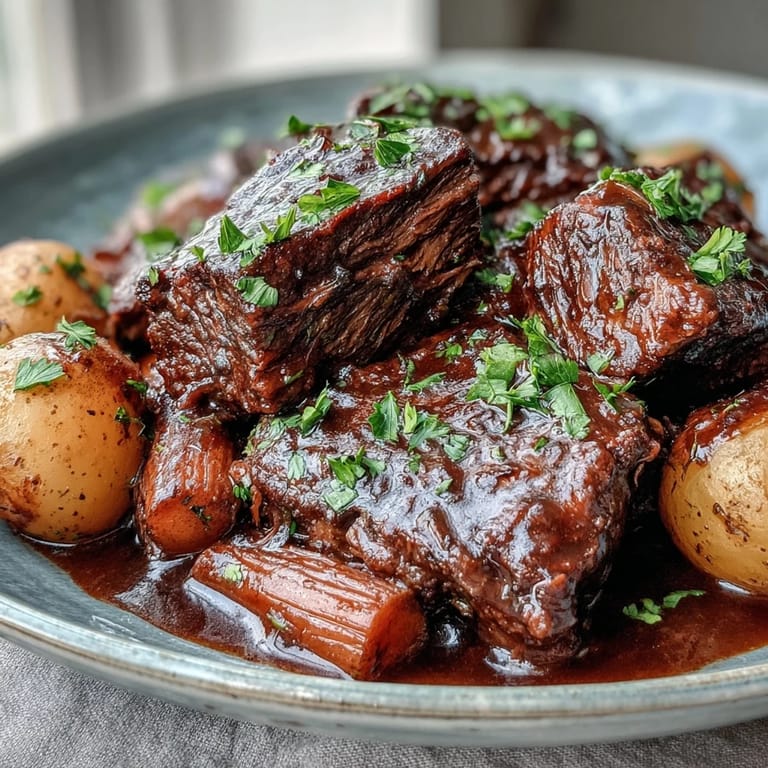
- Discard the herb stems and bay leaves. Shred the beef into big chunks or slice it against the grain, return it to the pot or arrange it over the vegetables, spoon the sauce on top, and sprinkle with parsley if you like.
 Pin It
 One winter evening, I served this with a loaf of crusty bread and watched my kids dunk the bread into the gravy like it was the best part of the meal. My youngest said, This tastes like a hug, and I realized thats exactly what pot roast is supposed to be. Its not fancy or complicated, its just warmth and time and a little bit of love simmered into something that sticks with you long after the plates are cleared.
How to Store and Reheat
Let the pot roast cool to room temperature, then transfer the beef, vegetables, and gravy to an airtight container and refrigerate for up to 4 days. The flavors deepen overnight, so dont be surprised if day two tastes even better. To reheat, warm gently on the stovetop over low heat with a splash of broth to loosen the sauce, or microwave in 1-minute intervals, stirring in between to keep everything moist.
Best Sides to Serve
This pot roast is hearty enough to stand alone, but it loves a good sidekick. I usually go with buttered egg noodles or creamy mashed potatoes to soak up the gravy, or a simple green salad with a sharp vinaigrette to cut through the richness. Crusty bread is non-negotiable in my house, theres always someone fighting over the last piece to mop up the sauce.
Make It Your Own
Once you get the hang of this recipe, you can play around with it. Swap the red wine for balsamic vinegar and beef broth if you want a tangier sauce, or throw in parsnips and turnips instead of carrots for an earthier flavor. I once added a tablespoon of Dijon mustard to the braising liquid and it gave the whole dish a subtle kick that everyone loved.
- For a slow cooker version, sear the beef and aromatics first, then transfer everything to the slow cooker and cook on low for 8 to 10 hours.
- If you want a gluten-free option, use gluten-free flour and double-check your broth and Worcestershire sauce labels.
- Leftovers are perfect for shredding into tacos, piling onto buns for French dip sandwiches, or stirring into a quick beef and vegetable soup.
 Pin It
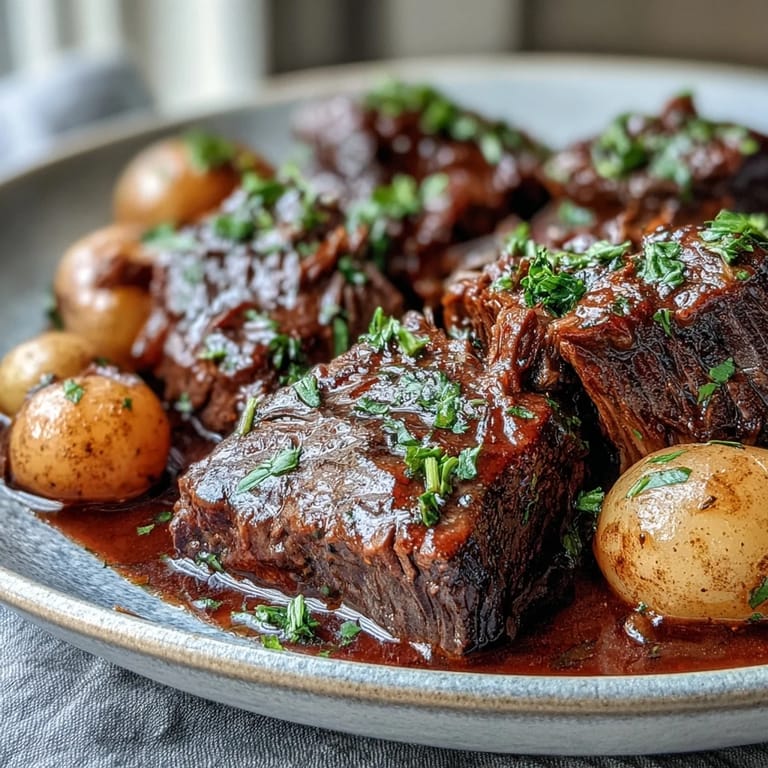
 This pot roast has become my go-to for cold nights, lazy Sundays, and any time I want to feel like Ive got my life together without actually trying too hard. Its forgiving, its delicious, and it makes your house smell like home.
Recipe Q&A
- → What cut of beef works best for pot roast?
Chuck roast or blade roast are ideal choices because they contain abundant marbling and connective tissue. As the meat slow-cooks, these tissues break down, creating incredibly tender, succulent beef that shreds easily.
- → How long should I cook the beef?
Plan for approximately 3 to 3.5 hours total cooking time. The beef needs 1½ hours alone before adding vegetables, then another 1½ to 2 hours with the potatoes and carrots until everything is meltingly tender.
- → Can I make this in a slow cooker?
Absolutely. After searing the meat and aromatics, transfer everything to your slow cooker. Cook on low for 8–10 hours or on high for 5–6 hours, adding the vegetables during the last few hours for optimal texture.
- → What can I substitute for red wine?
Replace the wine with additional beef broth for a non-alcoholic version. You could also use grape juice mixed with a tablespoon of vinegar to mimic wine's acidity and depth of flavor.
- → How do I get thicker gravy?
Create a slurry by mixing cornstarch with cold water, then stir it into the simmering liquid during the final minutes. Cook for 2–3 minutes until the sauce coats the back of a spoon, adding more broth if it becomes too thick.
- → What sides pair well with pot roast?
Crusty bread for dipping, buttered egg noodles, creamy mashed potatoes, or steamed green beans all complement the rich flavors. The dish itself contains vegetables, so simple sides work best.