 Pin It
 My first batch of frikadeller came together on a quiet Tuesday evening when my Danish neighbor mentioned how much she missed her mother's version. I'd never made them before, but something about the way she described that golden crust and the tender, juicy center pulled me into the kitchen. The smell of butter and onions hitting the pan reminded me why comfort food doesn't need fancy techniques, just good ingredients and a little patience. By the time they were done, I understood why this dish has been feeding Danish families for generations.
I remember making a double batch for a small dinner party and worrying they wouldn't stay warm through the appetizer round. Instead, they disappeared so fast that my guests started picking them straight from the platter while they were still steaming, each person dunking them into the pickles without a second thought. That's when I realized frikadeller aren't just dinner, they're the kind of food that brings people together in the most unpretentious way.
Ingredients
- Ground pork: The backbone of the dish, and honestly, the quality matters more here than it does in a lot of other recipes since there's nowhere for it to hide once it hits the pan.
- Grated onion: Grate it fresh right into the bowl, not minced, because the smaller pieces dissolve into the meat and create a more delicate crumb.
- Egg: Acts as a binder to hold everything together without making the texture dense or heavy.
- Whole milk: The secret to keeping them juicy; it gets absorbed by the breadcrumbs and keeps the meatballs moist as they cook.
- Breadcrumbs: Soak them in the milk first and they'll help trap moisture throughout cooking.
- Salt and black pepper: Season generously because the milk will mellow the flavors slightly.
- Ground allspice: Optional but worth it if you want that authentic Danish warmth that makes people ask what the secret ingredient is.
- Unsalted butter and neutral oil: Together they create the perfect frying temperature without butter burning on its own.
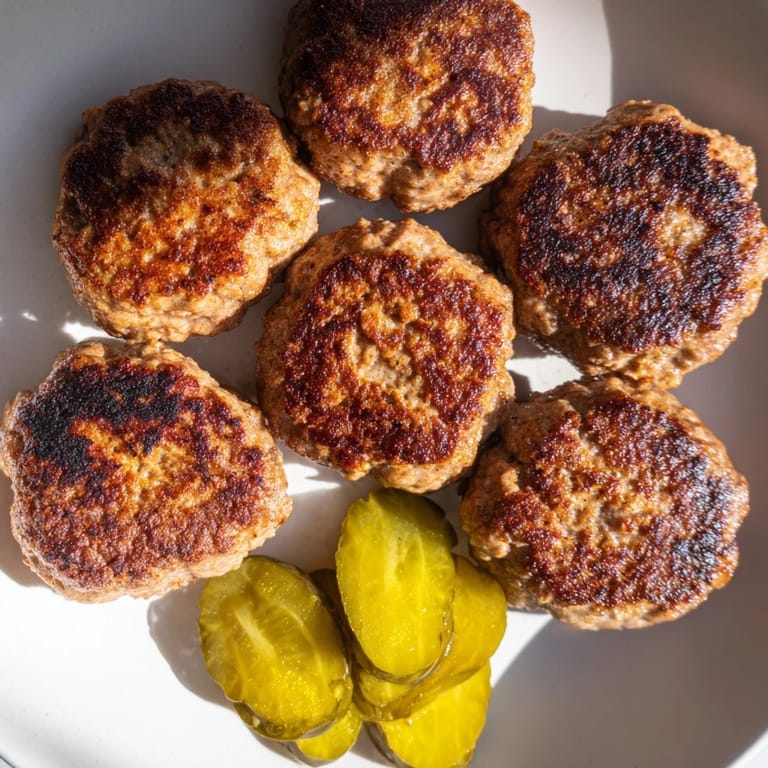
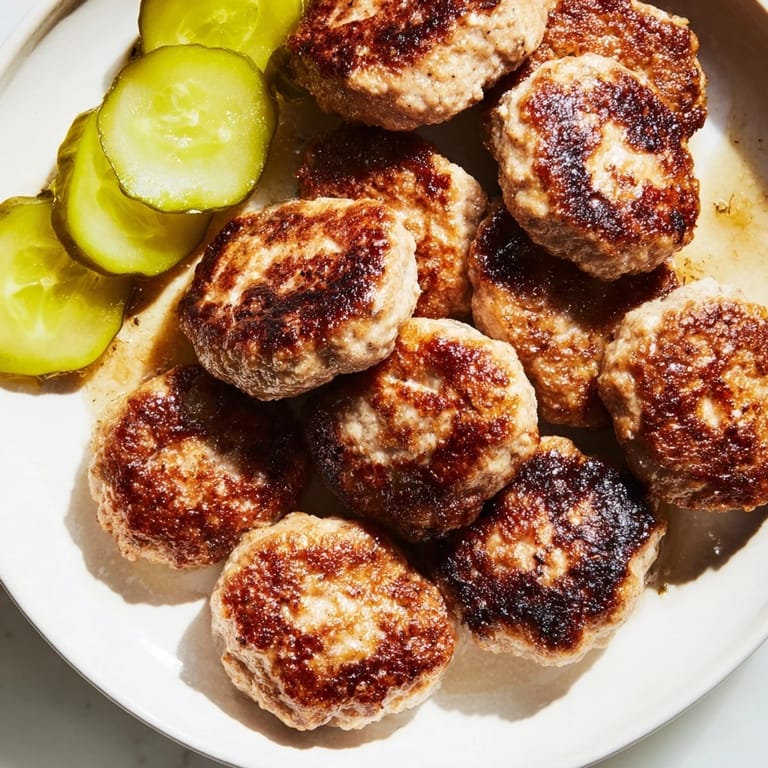
- Danish pickles: Tangy and essential for cutting through the richness, whether you use pickled cucumber, beetroot, or both.
Tired of Takeout? 🥡
Get 10 meals you can make faster than delivery arrives. Seriously.
One email. No spam. Unsubscribe anytime.
Instructions
- Combine the meat mixture:
- In a large bowl, toss together your ground pork, grated onion, egg, milk, breadcrumbs, salt, pepper, and allspice if you're using it. Mix until everything is just combined and you see no streaks of color, but don't overmix or you'll make them tough and dense instead of tender.
- Let it rest:
- Step away for 10 minutes while the breadcrumbs drink up all that milk and the flavors get to know each other. This resting period is what separates good frikadeller from great ones.
- Shape with wet hands:
- Wet your hands under cold water so the mixture won't stick, then gently form oval or round balls about the size of a golf ball, giving you roughly 12 to 14 pieces. If your hands stay damp, the shaping stays easy.
- Heat your pan properly:
- Combine butter and oil in a large skillet over medium heat and let it get shimmering, which takes about a minute or two. This temperature is crucial because too hot and they'll burn outside before cooking through, too cool and they'll absorb oil instead of browning.
- Fry in batches:
- Place the meatballs in the pan without crowding, then use a spatula to gently flatten each one into a small patty about half an inch thick. Fry for 4 to 5 minutes per side until they're deep golden brown and cooked through, then transfer to a paper towel lined plate.
- Serve while they're still warm:
- Move them to a serving platter and let your guests go at them with pickles and bread, watching them disappear faster than you'd expect.
 Pin It
 There's something about that moment when the first batch comes out of the pan and you plate them up, still glistening with butter, ready to meet their pickled partner. That's when you know you've made something real, something people will actually want to eat, and something that tastes like it belongs in a Danish kitchen.
The Best Way to Serve Them
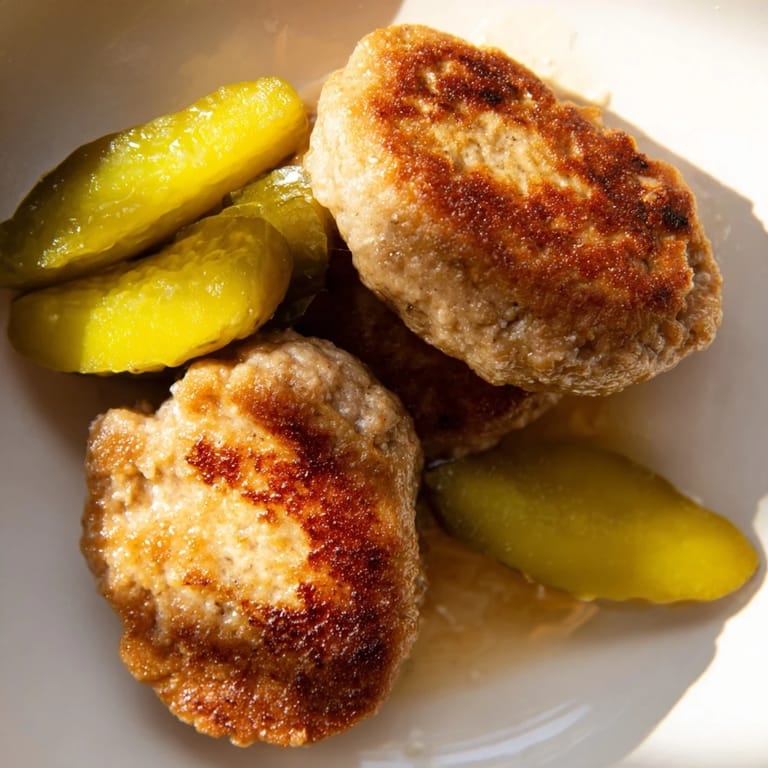
Frikadeller shine brightest when you give them room on the plate and let the pickles do their job. A pile of rye bread on the side turns this into a more substantial meal, but honestly, they're perfect on their own or alongside creamy potato salad that soaks up all the buttery pan juices. Red cabbage adds a traditional Danish touch if you want to lean into the heritage of the dish, but the pickles alone are enough to balance the richness.
Flavor Variations Worth Trying
If you want to experiment, try swapping half the pork for ground veal, which creates a lighter, more delicate texture that some people prefer. You can also mix a small batch with fresh herbs like parsley or dill, though this moves away from the traditional Danish version. The allspice is the signature flavor that makes them distinctly Danish, but if you don't have it, a pinch of nutmeg or clove works in a pinch, just use less since those spices are stronger.
Making Them Ahead
Shape the meatballs earlier in the day and refrigerate them until you're ready to cook, which keeps them firmer and helps them brown better. You can also freeze them raw for up to three months and fry them straight from the freezer, though you might need an extra minute per side. Cooked frikadeller reheat beautifully in a low oven, though they taste best eaten fresh while that crust is still there.
- Refrigerating shaped meatballs for a few hours improves browning and prevents them from falling apart in the pan.
- A small scooper or ice cream scoop helps you portion evenly so they all cook at the same rate.
- If your first batch browns too quickly, lower your heat slightly because every stove is different and the goal is golden, not burnt.
 Pin It
 These frikadeller prove that some of the best comfort food comes from simple, honest ingredients and the kind of cooking that doesn't demand perfection, just presence. Make them once and they'll become part of your regular rotation.
Recipe Q&A
- → What type of meat is best for frikadeller?
Ground pork is traditional, but mixing in veal can create a lighter texture while maintaining flavor.
- → How should the mixture be prepared before cooking?
After combining the ingredients, let the mixture rest for 10 minutes to allow breadcrumbs to absorb moisture, improving the texture.
- → What is the ideal cooking method?
Pan-frying in butter and a neutral oil over medium heat yields golden, juicy meatballs with a slight crisp on the outside.
- → Which sides traditionally accompany Danish frikadeller?
They are commonly served with tangy Danish pickles, rye bread, or boiled potatoes for a balanced meal.
- → Can allspice be omitted without affecting flavor?
Yes, allspice adds an authentic Danish touch but can be left out if unavailable or unwanted.