 Pin It
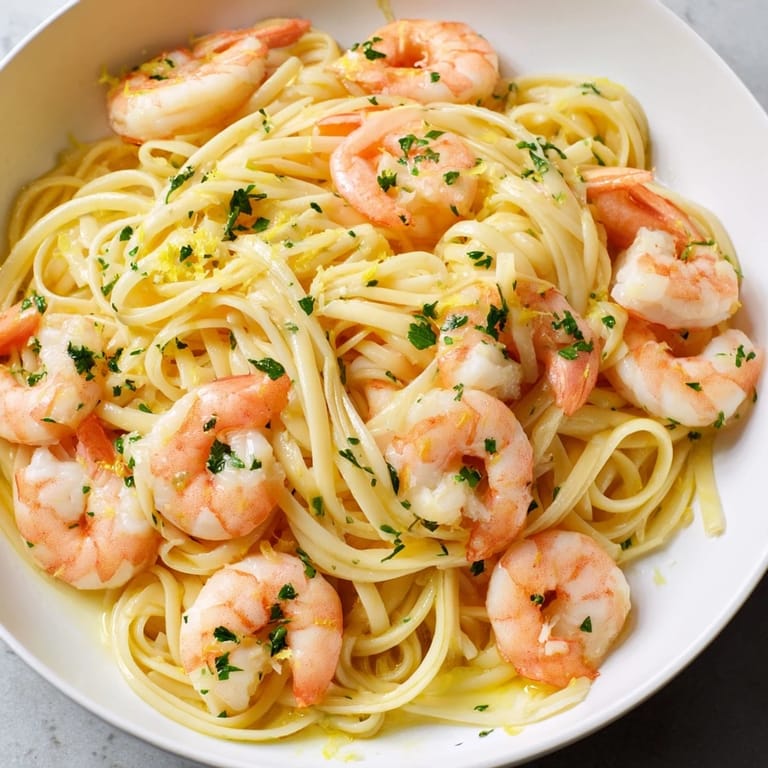
 My neighbor knocked on my door one Tuesday evening holding a bag of shrimp she couldn't use before leaving town. I had linguine in the pantry, butter in the fridge, and about twenty minutes before I needed to eat and run to a meeting. What came together that night wasn't just dinner, it was proof that some of the best meals happen when you're not overthinking them. The garlic filled my tiny kitchen with so much warmth I almost forgot I was in a hurry.
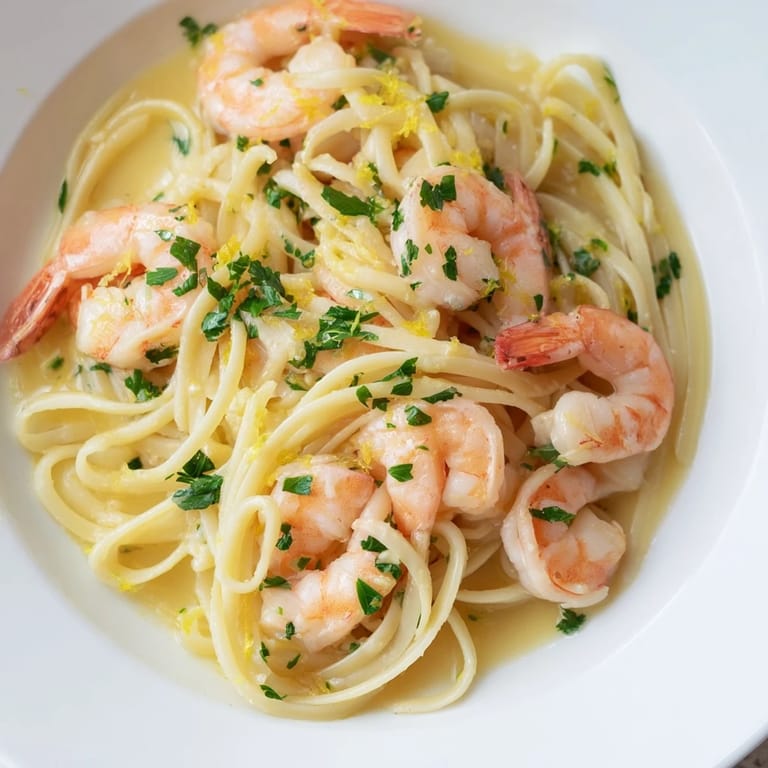
I made this for my sister the week she moved into her first apartment. She sat on a folding chair at a card table, twirling linguine on a fork, and said it tasted like celebration food. We didn't have wine glasses yet, so we drank from mugs. The shrimp were slightly smaller than I wanted, but the lemon juice made them sing anyway, and she asked me to write the recipe on the back of a napkin.
Ingredients
- Large shrimp, peeled and deveined (1 lb or 450 g): Pat them completely dry with paper towels or they'll steam instead of sear, and you'll miss that sweet caramelized edge.
- Linguine pasta (12 oz or 340 g): The flat shape holds onto the buttery sauce better than round spaghetti, and cooking it just until al dente means it won't turn mushy when you toss it in the skillet.
- Unsalted butter (4 tbsp): Using unsalted gives you control over the seasoning, and it melts into the olive oil to create a sauce that's rich but not greasy.
- Extra virgin olive oil (2 tbsp): This keeps the butter from burning and adds a fruity depth that balances the garlic.
- Garlic, minced (6 cloves): Fresh garlic is non-negotiable here; jarred just doesn't bloom the same way in hot butter, and you want that fragrant sizzle the moment it hits the pan.
- Crushed red pepper flakes (1/4 tsp, optional): A small pinch wakes up the whole dish without making it spicy, just a gentle warmth in the background.
- Lemon zest (from 1 lemon): The zest carries the lemon's perfume and brightens the butter in a way juice alone can't.
- Fresh lemon juice (2 tbsp): Squeeze it right before using so it tastes bright and alive, not flat or bottled.
- Fresh parsley, chopped (1/4 cup): Toss it in at the very end so it stays green and vibrant, adding a fresh bite that cuts through the richness.
- Salt and freshly ground black pepper: Season the shrimp before cooking and taste the pasta at the end, adjusting as you go.
- Freshly grated Parmesan cheese (optional, for serving): Some people say cheese and seafood don't mix, but a light sprinkle adds a nutty, salty finish that I've come to love.
Tired of Takeout? 🥡
Get 10 meals you can make faster than delivery arrives. Seriously.
One email. No spam. Unsubscribe anytime.
Instructions
- Boil the pasta:
- Bring a large pot of salted water to a rolling boil and cook the linguine according to the package directions until it's just al dente, with a slight bite in the center. Before you drain it, scoop out half a cup of the starchy pasta water and set it aside, it's your secret weapon for bringing the sauce together later.
- Prep the shrimp:
- While the pasta bubbles away, pat the shrimp completely dry with paper towels and season them lightly with salt and pepper on both sides. Dry shrimp sear beautifully instead of steaming, and that makes all the difference in texture.
- Start the garlic butter:
- In a large skillet over medium heat, melt the butter with the olive oil until it shimmers and smells nutty. Add the minced garlic and red pepper flakes, stirring constantly for about a minute until the garlic turns golden and fills your kitchen with that unmistakable aroma, but pull it off the heat before it browns or it'll taste bitter.
- Cook the shrimp:
- Lay the shrimp in a single layer in the skillet, making sure they're not crowded. Cook for two minutes on the first side without moving them, then flip and cook for another two minutes until they're pink, opaque, and just cooked through.
- Add lemon and pasta:
- Stir in the lemon zest and juice, then add the drained linguine directly to the skillet. Toss everything together with tongs, adding splashes of the reserved pasta water a little at a time until the sauce clings to the noodles in a glossy, silky coat.
- Finish and serve:
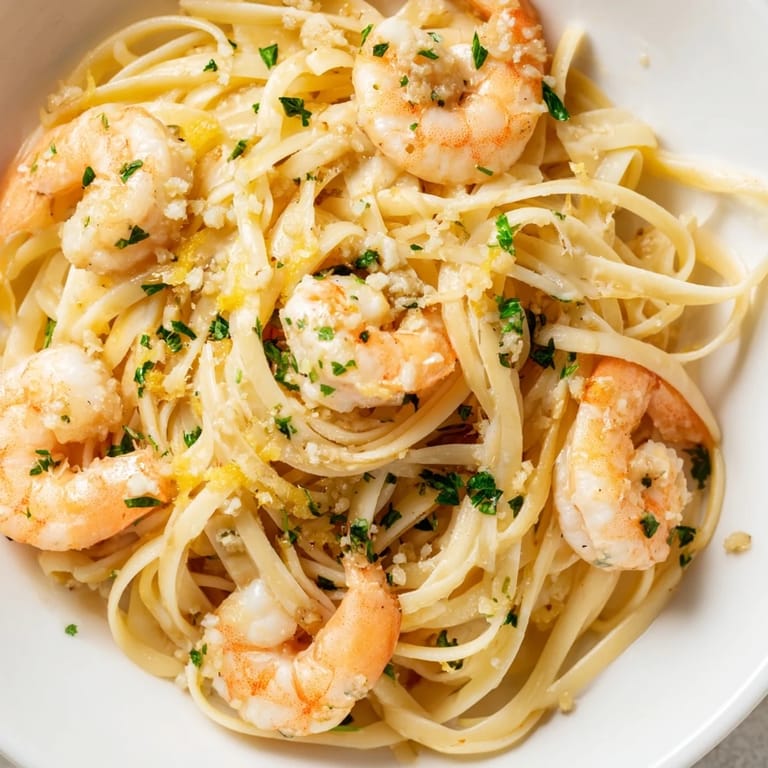
- Remove the skillet from the heat and toss in the chopped parsley, then taste and adjust the salt and pepper. Serve immediately in warm bowls, topped with freshly grated Parmesan if you like.
 Pin It
 One night I made this for a friend who'd just had a rough day at work. We ate it straight from the skillet, standing at the counter, twirling forkfuls and laughing about nothing in particular. She said the lemon made everything taste clean and hopeful, and I realized that's exactly what this dish is, simple comfort that doesn't weigh you down.
How to Know When Shrimp Are Perfectly Cooked
Shrimp go from tender to rubbery in seconds, so watch them closely. They're done the moment they turn pink and opaque, curling into a loose C shape. If they curl tightly into an O, they've gone too far and the texture will be tough. I've learned to pull them just before I think they're ready, they finish cooking in the residual heat of the pasta.
Making It Your Own
I've added a splash of dry white wine to the skillet right before the shrimp, letting it bubble and reduce for a minute, and it adds a bright, sophisticated layer. If you want more vegetables, halved cherry tomatoes or a handful of baby spinach stirred in at the end work beautifully without changing the spirit of the dish. You can also swap fettuccine or spaghetti if that's what you have, the sauce doesn't mind.
Storing and Reheating Leftovers
Leftovers keep in an airtight container in the fridge for up to two days, though the pasta will soak up some of the sauce as it sits. When you reheat it, add a splash of water or broth to a skillet over low heat and toss gently until warmed through. The shrimp won't be as tender as when freshly cooked, but it still tastes good, especially with an extra squeeze of lemon.
- Don't microwave it, the shrimp turn rubbery and the pasta dries out.
- If you know you'll have leftovers, slightly undercook the pasta so it doesn't get mushy when reheated.
- A drizzle of fresh olive oil before serving brings back some of that glossy richness.
 Pin It
 This dish has become my answer to evenings when I want something that feels special without the fuss. It reminds me that good food doesn't need to be complicated, just honest, flavorful, and made with a little attention.
Recipe Q&A
- → How do I prevent shrimp from becoming rubbery?
Pat shrimp dry before cooking and cook for exactly 2 minutes per side over medium heat. Shrimp cooks quickly—as soon as it turns pink and opaque, it's done. Overcooking causes a tough, rubbery texture.
- → Can I prepare this ahead of time?
Prepare ingredients in advance: peel shrimp, mince garlic, zest lemon, and chop parsley. Cook the dish fresh just before serving for best results, as the flavors are brightest immediately after combining.
- → What pasta water does for this dish?
Starchy pasta water emulsifies with the butter and oil, creating a glossy, cohesive sauce that coats the linguine evenly. Add it gradually while tossing to achieve your desired sauce consistency.
- → What wine pairs best with this dish?
Crisp white wines like Sauvignon Blanc or Pinot Grigio complement the garlic butter and lemon flavors beautifully. The acidity cuts through the richness and enhances the seafood.
- → Can I substitute other proteins for shrimp?
Yes, scallops work wonderfully with this sauce. Adjust cooking times: large scallops need 2-3 minutes per side. Thin white fish fillets also pair well—cook 3-4 minutes per side depending on thickness.
- → How do I keep the garlic from burning?
Keep heat at medium and watch carefully. Garlic burns quickly and turns bitter. It should be fragrant and golden after about 1 minute. If it's browning too fast, lower the heat immediately.