 Pin It
 My neighbor brought back venison from a hunting trip in the Scottish Highlands, and I had no idea what to do with it. I'd always assumed game meat was too tricky for a weeknight, but she promised it was just like beef if you didn't overthink it. That evening, I paired it with swede because it was the only root vegetable left in my crisper drawer, and the caraway seeds were a gamble I'm still proud of. The kitchen smelled like a countryside inn, all earthy and warm. It's now my go-to when I want something that feels special but doesn't demand hours of fussing.
I made this for my brother's birthday last winter, and he still brings it up every time we talk about food. He'd never tried venison before and was skeptical about the swede, but after the first bite, he went quiet in that way people do when they're really tasting something. We ended up sitting at the table longer than usual, pouring more wine and talking about nothing in particular. It's the kind of meal that slows you down without you noticing.
Ingredients
- Venison steaks (4, about 150 to 180 g each): Choose steaks with a deep red color and minimal silverskin; venison is lean, so it benefits from a quick, hot sear to keep it tender and juicy.
- Olive oil (1 tbsp): A light coating helps the thyme and seasoning cling to the meat and promotes a gorgeous caramelized crust without overpowering the delicate flavor of the venison.
- Fresh thyme leaves (2 tsp): Thyme's earthy, slightly minty notes complement game beautifully; strip the leaves gently so they don't bruise and turn bitter.
- Salt and freshly ground black pepper: Season generously just before cooking; venison's flavor is subtle, and it needs that savory boost to shine.
- Swede (1 large, about 900 g, peeled and diced): Also called rutabaga, swede has a sweet, slightly peppery taste that mellows beautifully when mashed; peel away the thick skin and any woody bits near the core.
- Unsalted butter (40 g): This adds silky richness to the mash; I always use unsalted so I can control the seasoning myself.
- Double cream (2 tbsp): Just a splash transforms the mash from plain to luxurious; you can swap in milk if you prefer something lighter, but the cream is worth it.
- Caraway seeds (1 tsp): Toasting them releases a warm, slightly anise-like aroma that makes the whole dish feel more complex; don't skip this step or they'll taste flat.
- Red wine (100 ml, optional): Use something you'd actually drink; a fruity, robust red like Malbec deglazes the pan and adds depth to the sauce.
- Beef or game stock (100 ml, optional): Homemade is ideal, but a good-quality store-bought version works; check the label for gluten if that's a concern.
- Redcurrant jelly (1 tsp, optional): A tiny spoonful balances the richness of the venison and adds a subtle sweetness that feels very British; you can leave it out if you don't have any.
- Cold butter (1 tsp, for sauce): Whisking in cold butter at the end gives the sauce a glossy, restaurant-quality finish; it's a small trick that makes a big difference.
Tired of Takeout? 🥡
Get 10 meals you can make faster than delivery arrives. Seriously.
One email. No spam. Unsubscribe anytime.
Instructions
- Boil the swede:
- Bring a large pot of salted water to a rolling boil, then add the diced swede and cook for 20 to 25 minutes until a fork slides through easily. Don't rush this step; undercooked swede is unpleasantly firm and won't mash smoothly.
- Prep the venison:
- While the swede bubbles away, pat the venison steaks completely dry with paper towels, then rub them all over with olive oil, thyme, salt, and pepper. Let them sit at room temperature so they cook more evenly.
- Toast the caraway:
- Heat a dry pan over medium heat and add the caraway seeds, shaking the pan gently for 1 to 2 minutes until they smell warm and nutty. Tip them onto a plate straightaway so they don't burn.
- Mash the swede:
- Drain the swede well in a colander, then return it to the pot and add the butter, cream, toasted caraway, salt, and pepper. Mash until mostly smooth but still a bit rustic, then cover and keep warm on low heat.
- Sear the venison:
- Heat a heavy-based skillet or griddle pan over medium-high heat until it's almost smoking, then lay the steaks in carefully and sear for 2 to 3 minutes per side for medium-rare. Transfer to a warm plate, cover loosely with foil, and let them rest for 5 minutes so the juices settle.
- Make the optional sauce:
- In the same hot pan, pour in the red wine to deglaze, scraping up all the tasty browned bits, then add the stock and redcurrant jelly. Let it bubble and reduce until it coats the back of a spoon, then remove from the heat and whisk in the cold butter until glossy.
- Serve:
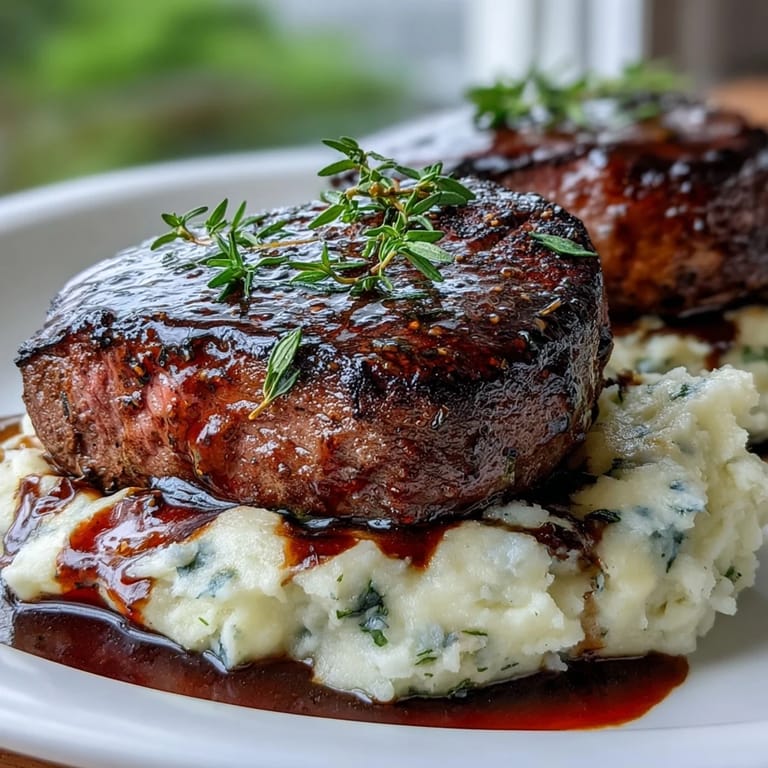
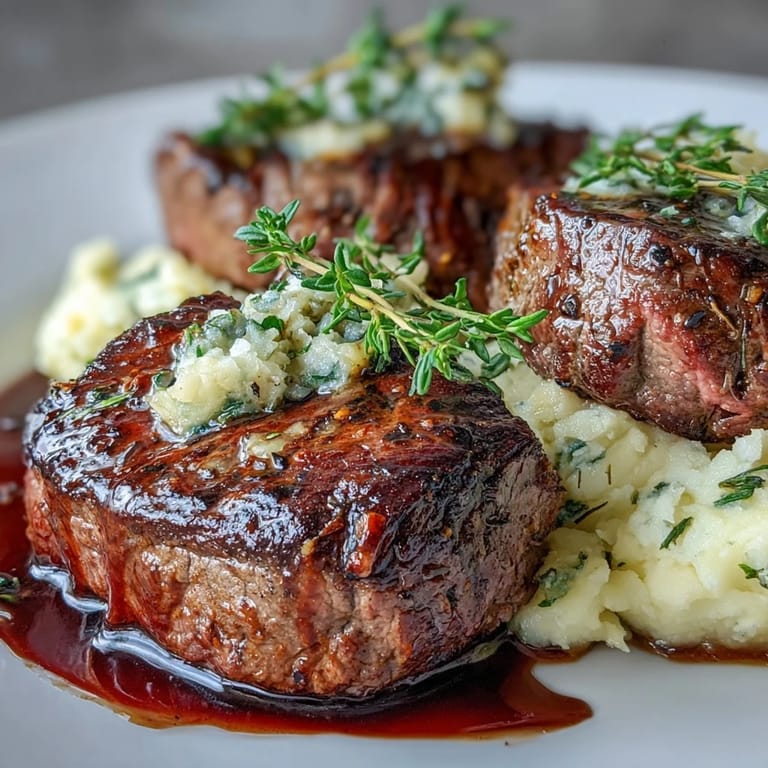
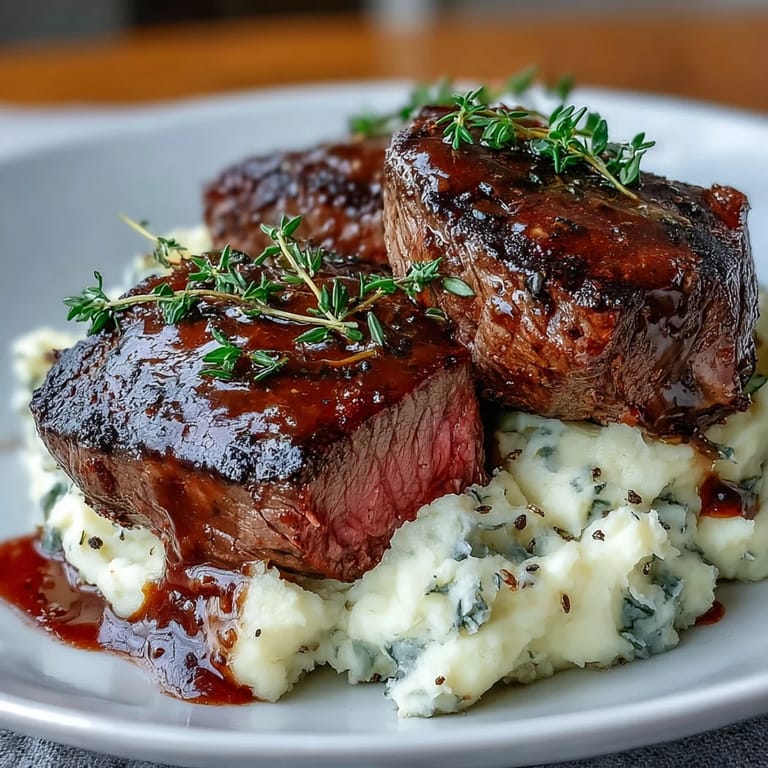
- Spoon a generous mound of caraway crushed swede onto each plate, top with a rested venison steak, and drizzle over the sauce if you made it. Serve immediately while everything is still warm.
 Pin It
 The first time I plated this, I felt a little thrill seeing the ruby-red venison against the creamy swede. My partner looked up from his phone and actually said wow, which doesn't happen often. We ate slowly, savoring the way the caraway lingered after each bite, and I realized this was the kind of meal that turns an ordinary Tuesday into something worth remembering.
Choosing Your Venison
If you're new to cooking venison, ask your butcher for loin or leg steaks, which are tender and forgiving. Wild venison has a stronger, more pronounced flavor than farmed, so if you're unsure, start with farmed and work your way up. Always bring the meat to room temperature before cooking; cold venison straight from the fridge won't sear properly and can cook unevenly. If your steaks are on the thicker side, consider finishing them in a hot oven for a few minutes after searing to avoid a charred exterior and raw center.
Making the Mash Your Own
Swede is naturally sweet and earthy, but you can swap in half parsnip or celeriac for a different flavor profile. A pinch of nutmeg or a squeeze of lemon juice can brighten the mash if it tastes too heavy. If you want it extra creamy, use a ricer instead of a masher, but I prefer a bit of texture so it feels more homemade. Leftovers can be shaped into patties, dusted with flour, and pan-fried until golden, which makes a brilliant side for eggs the next morning.
Serving and Pairing Ideas
This dish loves the company of sautéed kale, cavolo nero, or roasted root vegetables like carrots and beetroot. A tangle of crispy fried onions on top adds crunch and a touch of sweetness that plays beautifully with the venison. For wine, reach for something bold and fruity like a Syrah, Malbec, or even a good Rioja; the tannins cut through the richness and echo the earthy flavors on the plate.
- Add a handful of toasted hazelnuts or walnuts to the swede mash for extra texture and a gentle nuttiness.
- Drizzle a little truffle oil over the finished plate if you're feeling fancy and want to make it feel like a special occasion.
- Serve with a simple green salad dressed in lemon and olive oil to balance the richness of the dish.
 Pin It
 This recipe has become my quiet celebration meal, the one I make when I want to feel grounded and a little bit proud. I hope it brings you the same kind of warmth and satisfaction it's brought me.
Recipe Q&A
- → What is the best cooking temperature for venison steaks?
Medium-rare is ideal for venison steaks, achieved by searing 2-3 minutes per side over medium-high heat. Venison is very lean and can become tough if overcooked, so aim for an internal temperature of 57-60°C (135-140°F) for optimal tenderness.
- → Can I substitute the swede with another vegetable?
Yes, you can use parsnip, celeriac, or a combination of root vegetables. Each brings a unique flavor - parsnip adds sweetness, while celeriac offers earthiness. You may need to adjust cooking times slightly depending on the vegetable chosen.
- → How do I prevent venison from becoming dry?
The key is not to overcook it. Bring steaks to room temperature before cooking, sear quickly over high heat, and always let them rest for 5 minutes after cooking. This allows juices to redistribute throughout the meat, ensuring moist, tender results.
- → What does caraway add to the swede mash?
Caraway seeds provide a warm, slightly sweet and peppery flavor with earthy, anise-like notes. Toasting them before adding intensifies their aroma and complements the natural sweetness of swede while adding complexity to the creamy mash.
- → Can this dish be prepared in advance?
The swede mash can be made up to 2 hours ahead and kept warm, or reheated gently with a splash of cream. However, venison steaks are best cooked just before serving to maintain their tender texture and optimal temperature.
- → What wine pairs best with venison?
Robust reds like Syrah, Malbec, or Côtes du Rhône pair beautifully with venison. Their bold fruit flavors and tannic structure complement the rich, gamey meat. A Pinot Noir works well if you prefer something lighter with earthy undertones.