 Pin It
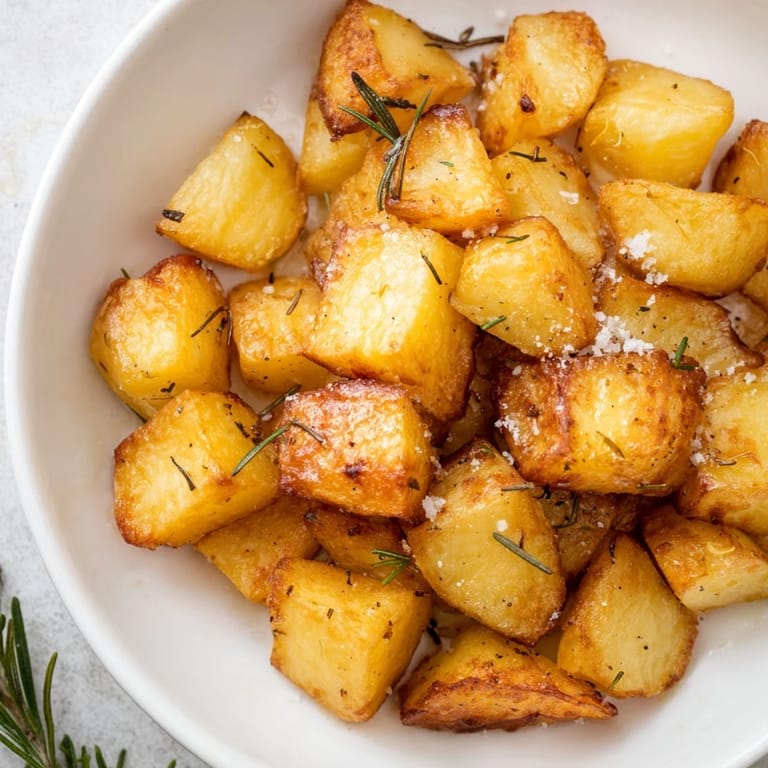
 The first time I truly understood the magic of beef tallow was at a farmhouse dinner where the host pulled a tray of golden, shattering potatoes from the oven. The smell was intoxicating—rich, meaty, utterly different from anything made with oil. I asked for the secret, and she laughed, saying her grandmother had been doing this for decades, but it had fallen out of fashion. That night, I realized some old methods deserve to come back, especially when they taste this good.
I made these last winter for a quiet Sunday dinner, just enough for two of us, and we ate them straight from the pan with our hands like we were kids again. My partner kept saying there was something about them that tasted like home, even though neither of us had grown up eating them. That's when I knew this recipe was worth making over and over.
Ingredients
- Yukon Gold or Russet potatoes (2 pounds, cut into 2-inch chunks): Yukon Golds give you that buttery tenderness, while Russets get extra crispy on the outside—pick based on what you're in the mood for.
- Beef tallow (1/3 cup): This is the star; if you can source it from a local butcher, it'll have more flavor than grocery store versions.
- Kosher salt (1 1/2 teaspoons, plus more): Don't skip seasoning the water; it's the first moment you're building flavor.
- Freshly ground black pepper (1/2 teaspoon): Grind it fresh if you can—the difference is real.
- Fresh rosemary or thyme (2 tablespoons, optional): These herbs infuse into the tallow and add an earthy whisper to every bite.
- Garlic cloves (2, smashed): A quick aromatics move that softens the richness without overpowering.
Tired of Takeout? 🥡
Get 10 meals you can make faster than delivery arrives. Seriously.
One email. No spam. Unsubscribe anytime.
Instructions
- Heat your sheet and prep the oven:
- Set the oven to 425°F and slide a large, rimmed baking sheet inside. You want it blazing hot so the potatoes sizzle the moment they hit the tallow.
- Give the potatoes a head start:
- Drop peeled, chunked potatoes into a big pot of cold, salted water and bring it to a boil. Simmer for about 8 to 10 minutes until the edges just soften but the centers still have some resistance—this par-cooking is what gives you that fluffy interior later.
- Rough them up for crispiness:
- Drain the potatoes thoroughly, return them to the empty pot, and shake gently but with purpose. You're looking to scuff up those edges; they'll get golden and crackly in the oven.
- Infuse the tallow:
- In a small saucepan over low heat, melt the beef tallow slowly. If you're using garlic and herbs, add them now and let them whisper their flavors into the fat for just a minute or two, then fish them out.
- Get the sheet ready:
- Carefully pull the roaring hot baking sheet from the oven and pour half the melted tallow across it, tilting to coat evenly. Be respectful of the heat here.
- Add the potatoes and dress them:
- Spread the potatoes in a single layer on the oiled sheet, drizzle with the remaining tallow, and season generously with salt and pepper. Don't be shy—seasoning now means it soaks in as they cook.
- First roast:
- Slide the sheet back into the oven and roast for 20 minutes until they start catching color on one side.
- Flip and finish strong:
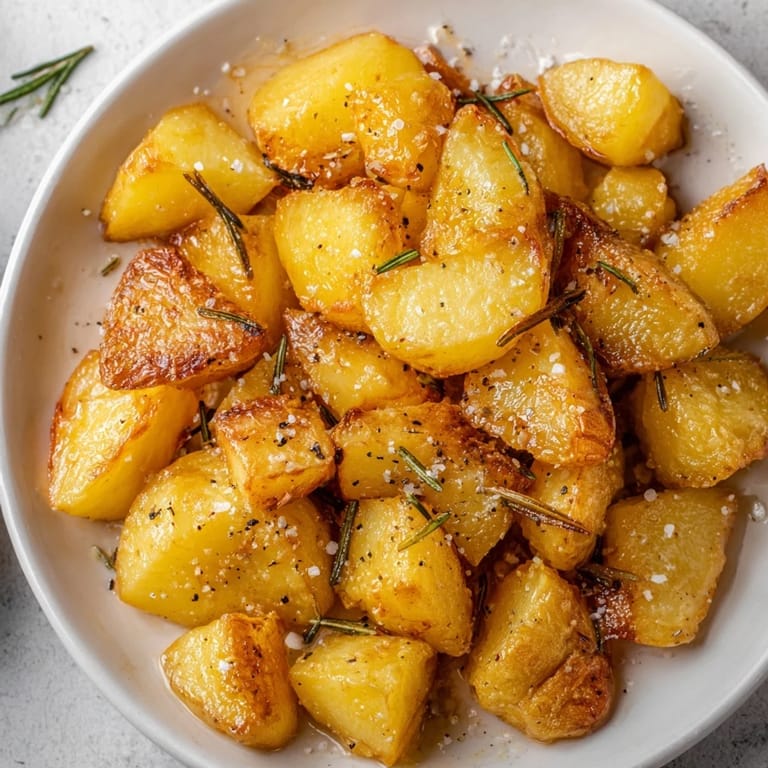
- Flip each potato piece over and roast for another 20 to 25 minutes until they're golden and crispy all over, their edges dark and shattering.
- Final touch and serve:
- Pull them from the oven, toss with fresh herbs if you have them, and eat them hot—this is when they're at their absolute best.
 Pin It
 There's a moment, right when you pull these from the oven, where the kitchen fills with a smell so good it stops everything. My roommate once emerged from her room just from the aroma, and we ended up sitting at the counter together, splitting the whole batch. That's when cooking stops being about feeding yourself and becomes about creating a moment.
Why Beef Tallow Matters
Beef tallow has been used for centuries because it does something that modern cooking oils can't quite replicate—it caramelizes at a higher temperature, creating a deeper, almost meaty crispiness. The flavor is savory and rich without being heavy, and it actually complements the potato's natural earthiness rather than masking it. It's one of those ingredients that reminds you that sometimes the old way is the best way.
Sourcing and Storage
Your best bet is a good butcher who can either sell you rendered tallow or point you toward a source. If that's not possible, some grocery stores carry it in small containers, though it's worth checking the label. Once you have it, store it in a glass jar in a cool, dark place—it keeps beautifully for months, and having it on hand means you're always ready for crispy potatoes.
Variations and Serving Ideas
While these are perfect on their own, they're equally at home alongside a Sunday roast, a steak, or even grilled fish if you want to be unconventional. Duck fat or goose fat work as substitutes if beef tallow isn't available, each bringing their own subtle richness. A pinch of smoked paprika, fresh thyme scattered over the top, or even crispy sage leaves can shift the whole feeling of the dish.
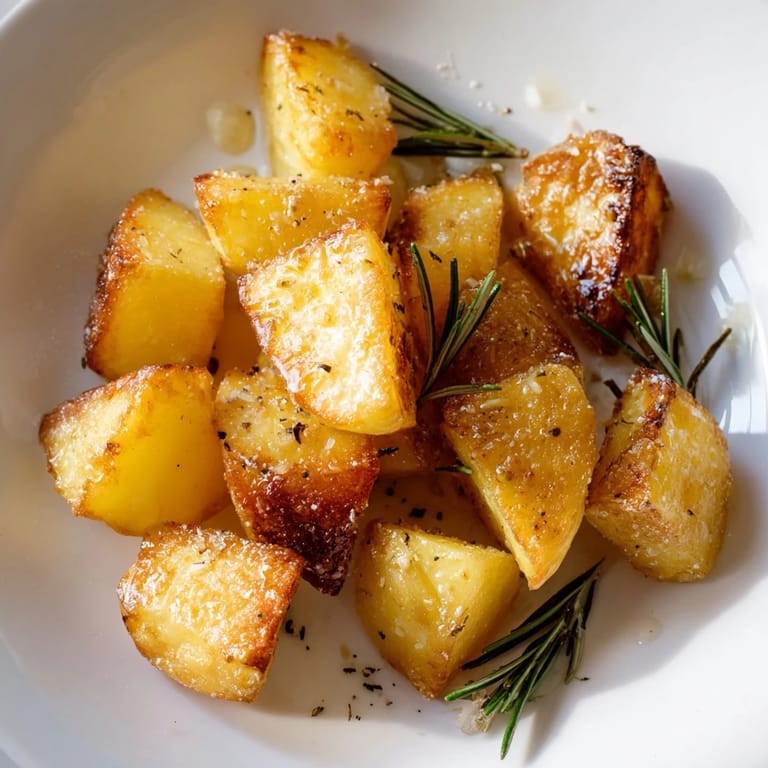
- Serve them while they're still hot and the edges are shattering under your teeth.
- If you have leftover tallow, save it for the next batch of roasted vegetables or French fries.
- Let any leftovers cool completely before storing them in the fridge, where they'll keep for a few days.
 Pin It
 This is one of those recipes that feels like a small rebellion against convenience, and it tastes like it too. Once you've made them this way, you'll understand why people have been doing it forever.
Recipe Q&A
- → What is the purpose of using beef tallow?
Beef tallow imparts a rich, savory depth and helps create a crisp, golden crust on the potatoes.
- → Can I use other fats instead of beef tallow?
Yes, alternatives like duck fat or goose fat work well to add different flavor profiles while maintaining crispiness.
- → How do I ensure the potatoes become crispy?
Parboiling the potatoes and roughening the edges before roasting, plus preheating the baking sheet and flipping halfway through, promote a crisp texture.
- → Are fresh herbs necessary?
Herbs like rosemary or thyme are optional but enhance the aroma and flavor when added before serving.
- → What type of potatoes is best for roasting?
Yukon Gold or Russet potatoes are ideal due to their texture, which crisps well while staying fluffy inside.