 Pin It
 There's something about a grazing board that stops conversation mid-sentence. I discovered this while setting up for a dinner party where everything felt slightly chaotic until I started layering cheeses and fruits onto a wooden platter, letting them spill dramatically over the edge like velvet curtains at a theater I visited years ago. My guests arrived early, caught sight of it, and suddenly they were gathered around before we'd even sat down, reaching for figs and blue cheese. That's when I realized this wasn't just appetizers—it was permission to slow down and linger together.
I made this board for my sister's engagement announcement, and watching her reach past the honeycomb honey for a slice of aged cheddar while telling us about the proposal made me understand why people talk about food memories decades later. The board became the stage for her story, and somehow the cascading cheese and pomegranate seeds felt like they were applauding alongside us.
Ingredients
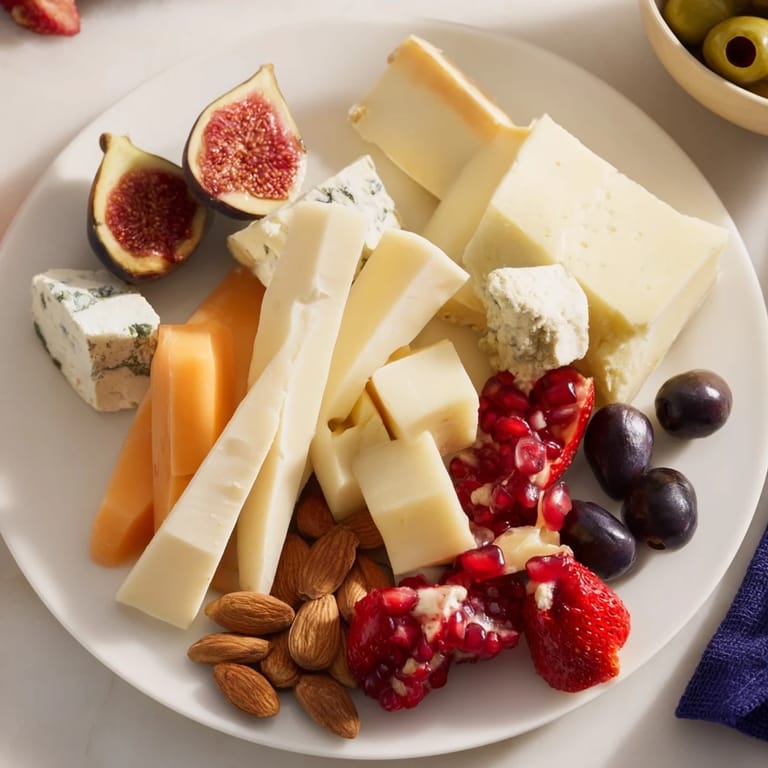
- Brie: The soft anchor that keeps everything warm and approachable, sliced into wedges so guests can take exactly what they want.
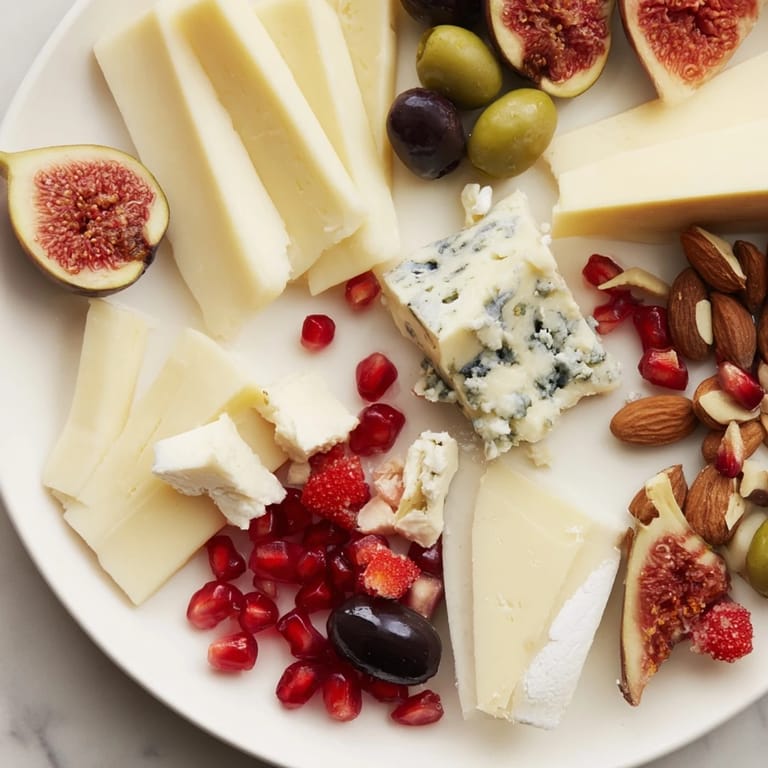
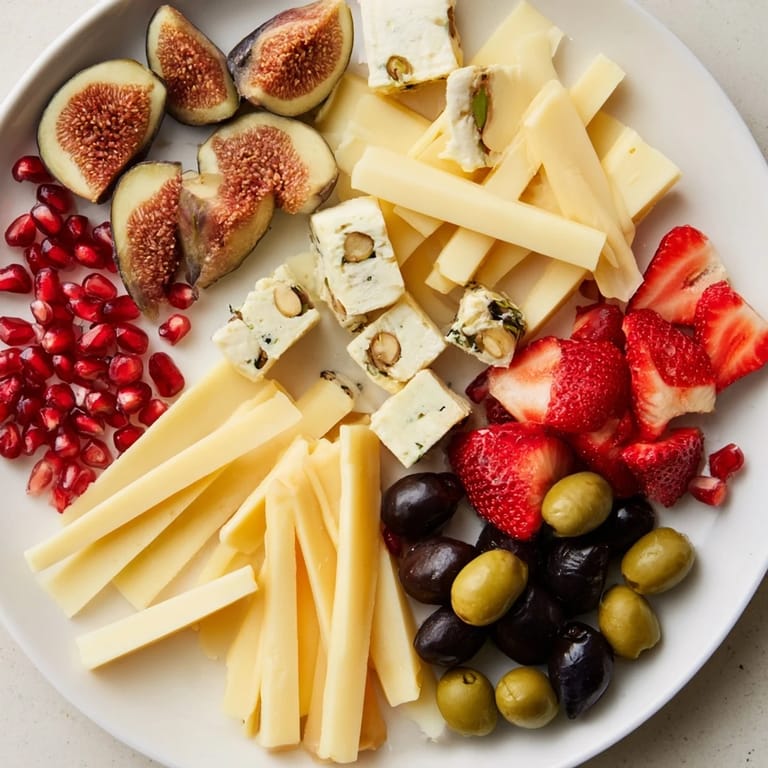
- Aged Cheddar: Cut into sticks so the sharpness hits first, then mellows against the sweetness of the fruit.
- Blue Cheese: Broken into chunks instead of sliced because it's meant to be discovered, not anticipated.
- Prosciutto: Loosely draped so it waves like fabric, catching light and looking expensive without tasting heavy.
- Soppressata: Folded in half so the edges curl naturally, adding texture and a whisper of smoke.
- Red Grapes: Keep them on the stem because they're easier to grab and they photograph like tiny rubies.
- Fresh Figs: Halved to show off their deep interior, sweeter than dried figs and elegant without trying.
- Strawberries: Halved to expose the flesh and make them easier to eat standing up.
- Pomegranate Seeds: They roll and scatter, which looks chaotic and intentional at the same time.
- Baguette: Sliced thin and fanned so it feels like an invitation rather than an obligation.
- Seeded Crackers: Choose ones with visible seeds because they add texture you can actually see and taste.
- Fig Jam: Spoon it into a small bowl so guests can control how much sweetness they're adding.
- Honey: Drizzle over cheese or crackers—it bridges every flavor on the board.
- Marcona Almonds: Buttery and slightly salty, they work as a palate cleanser between bites.
- Olives: Mix green and black so there's contrast in color and flavor, and pit them so eating feels effortless.
- Fresh Herbs: Rosemary and thyme tucked between ingredients add green notes and make everything feel intentional.
Tired of Takeout? 🥡
Get 10 meals you can make faster than delivery arrives. Seriously.
One email. No spam. Unsubscribe anytime.
Instructions
- Set Your Stage:
- Choose a large wooden or marble board and position it where light can catch the colors—near a window or under a lamp if you're serving at night. The board itself becomes part of the design.
- Start With Cheese, Dramatically:
- Arrange wedges of Brie and sticks of aged Cheddar so some pieces cascade over the edge of the board like they're falling. This isn't accident; it's the whole point.
- Layer In The Charcuterie:
- Fold prosciutto and soppressata loosely so they wave and curl, letting them drape down the sides. The wrinkles and folds catch light and make everything look alive.
- Scatter Fruit Like Confetti:
- Tuck grapes, figs, strawberries, and pomegranate seeds between the cheeses and meat, letting some trail over the edge. They should look like they wandered there naturally, not been placed.
- Fan The Bread and Crackers:
- Slice the baguette thin and arrange it in an overlapping fan so pieces slightly overhang the board. The crackers can nestle in the gaps, creating texture and giving hands something easy to reach for.
- Add The Condiments:
- Spoon jam, honey, olives, and almonds into small bowls and nestle them among the other ingredients so they feel like part of the composition, not afterthoughts.
- Garnish With Green:
- Tuck fresh rosemary and thyme sprigs between ingredients like you're adding final brushstrokes to a painting. They add color, fragrance, and sophistication.
- Present and Invite:
- Step back and look at what you've made—then bring it to the table and tell your guests to eat however they want. The best part of a grazing board is that there's no wrong way.
 Pin It
 My mother looked at the first board I made this way and said it reminded her of the old theater we used to visit, the one with velvet seats that had started to fade. I realized then that good food does something similar—it takes a moment from somewhere else and brings it to your table, lets you taste memory as much as flavor.
When To Make This
A grazing board works for dinner parties, engagement announcements, lazy Sundays when you want something that feels special without cooking, or those evenings when people drop by and you want them to feel welcome without stress. It's also perfect for moments when you're gathering people but you're not quite ready to call it dinner yet—when the evening is still open-ended and possibility is the main ingredient.
How To Customize Without Losing The Drama
Swap the cheeses for what speaks to you—gouda instead of cheddar, goat cheese instead of brie. Trade prosciutto for smoked salmon if you want something different. The structure stays the same; the feeling stays the same. Add edible flowers for extra color if you want, or skip the charcuterie entirely and make it vegetarian without apology. A grazing board isn't a formula you follow; it's a language you speak with what's in front of you.
The Poetry Of Overflow
I've learned that the most elegant things often come from breaking small rules. This board works because we let it spill over the edge, because we let things cascade instead of sit neatly. It's what makes it feel like theater instead of just dinner. Every ingredient that hangs over the side of the board is saying something about abundance, about generosity, about taking up space without apologizing. Make it generous. Make it yours.
- If something looks too perfect, nudge it slightly—the imperfection is what makes it real.
- Serve this with wine that's cold and a group of people you actually want to spend time with.
- Don't rush it; let people linger over the board and talk, because that's what grazing is really for.
 Pin It
 Make this board when you want to gather people without the pressure of a formal meal. It's the invitation that says: come, eat, stay, talk—for as long as you want.
Recipe Q&A
- → What cheeses work best for this grazing board?
Soft Brie wedges, aged Cheddar sticks, and crumbled Blue Cheese provide a variety of textures and flavors.
- → Can this board be made vegetarian?
Omit the charcuterie and substitute with plant-based alternatives or additional fresh produce.
- → How should the ingredients be arranged?
Arrange cheeses and meats so some pieces drape over the edge, add fruits and nuts to create layers and flow.
- → What accompaniments complement this board?
Bread slices, seeded crackers, fig jam, honey, olives, and Marcona almonds enhance flavor and texture variety.
- → How can I add extra visual flair?
Garnish with fresh herbs like rosemary or thyme and consider edible flowers for additional color.
- → What beverages pair well with this spread?
A crisp rosé or sparkling wine balances the rich flavors and adds a festive touch.