 Pin It
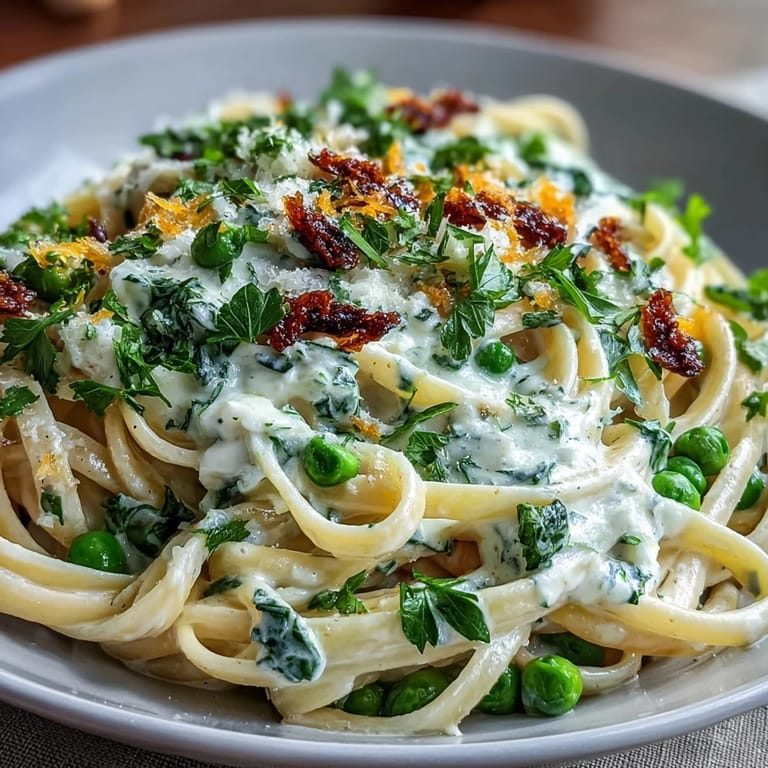
 There's something about the smell of butter hitting a hot pan that makes you feel like you're about to create something magical, and that's exactly what happens with this lemon butter pasta. I discovered this dish one afternoon when I had nothing in my pantry except pasta, butter, and a lemon that had been sitting on the counter looking lonely. Twenty minutes later, I was twirling silky noodles around my fork, wondering why I'd never thought to combine these simple ingredients before. The brightness from the lemon cuts through the richness of the butter in a way that feels almost effortless, like the dish was meant to come together this way all along.
I made this for my neighbor one spring evening when she mentioned being tired of heavy meals, and watching her face light up when she tasted it reminded me that sometimes the simplest dishes hit the deepest. She kept asking what was in it, convinced there must be cream or some secret ingredient I was leaving out. When I told her it was just butter, lemon, and pasta water, she laughed and said it was the first time in months she'd felt genuinely satisfied without feeling weighed down.
Ingredients
- Linguine or spaghetti (12 oz): thin pasta works best here because it lets the delicate sauce cling to every strand without overwhelming it.
- Fresh or frozen green peas (1 cup): frozen actually work beautifully in this dish since they're picked at peak ripeness, and they thaw gently in the warm butter.
- Garlic (2 cloves, minced): the foundation of flavor, but keep the heat moderate so it stays fragrant instead of turning bitter.
- Lemon zest and juice: this is your star ingredient—don't skip the zest because it carries the essential oils that make this whole dish sing.
- Unsalted butter (4 tbsp): quality matters here since butter is doing most of the flavor work; use good stuff you'd actually want to eat on its own.
- Parmesan cheese (1/2 cup plus more for serving): freshly grated if you can manage it, as pre-shredded versions sometimes don't melt as smoothly into the sauce.
- Fresh parsley (2 tbsp chopped): a bright finish that adds color and a gentle herbaceous note without dominating.
- Salt and black pepper: taste as you go because pasta cooking water is salty, and you'll adjust naturally once everything comes together.
Tired of Takeout? 🥡
Get 10 meals you can make faster than delivery arrives. Seriously.
One email. No spam. Unsubscribe anytime.
Instructions
- Get your water boiling and pasta moving:
- Fill a large pot with water, salt it generously (it should taste like the sea), and let it come to a rolling boil before adding your pasta. Reserve a whole cup of the starchy cooking water before you drain—this liquid gold is what transforms the butter into a silky sauce that coats every noodle.
- Build your aromatics:
- While the pasta cooks, melt your butter in a large skillet over medium heat and let it get foamy and smell absolutely incredible. Add the minced garlic and let it soften for about a minute, stirring constantly so it releases its fragrance without browning (browned garlic tastes bitter, and we don't want that here).
- Warm the peas gently:
- Toss in your peas and let them heat through for two to three minutes, knowing that frozen peas will thaw quickly while fresh ones just need to soften slightly. The butter will start to take on a golden hue and the whole pan will smell like spring.
- Add the brightness:
- Pour in your lemon zest and juice, stirring constantly so the acid distributes evenly and the zest doesn't clump up. The butter and lemon will combine into something that smells like you're cooking in a Mediterranean kitchen.
- Bring it all together:
- Add your hot drained pasta directly to the skillet along with about half a cup of reserved pasta water, tossing everything continuously so the starchy liquid emulsifies with the butter. Watch the magic happen—the sauce goes from looking separated to becoming glossy and coating each strand.
- Finish with cheese and seasonings:
- Sprinkle in the Parmesan, salt, and pepper, tossing gently until the cheese melts into the sauce and everything becomes silky and luxurious. If the sauce looks too thick, splash in more pasta water a tablespoon at a time until you get that creamy consistency that hugs the pasta.
- Final touch:
- Remove from heat and stir in the chopped parsley, tasting as you go and adjusting salt and pepper to your preference. Serve immediately while everything is still hot and the sauce hasn't started to tighten up.
 Pin It
 There was one evening when my daughter came home from school in a mood, and instead of her usual eye-roll at dinner, she actually asked for seconds of this. She said it tasted like spring somehow, even though we were eating it in November. That simple observation stuck with me—it's the lemon, really, how it tricks your brain into thinking sunny days and warm breezes are just moments away.
Why This Dish Works Year-Round
Most people think of this as a spring and summer dish, but I've found it's actually perfect any time you need brightness in your life. In the depths of winter, that lemon brings something almost medicinal, a reminder that citrus exists and the world isn't all gray and heavy. In summer, it feels like the most natural thing you could possibly make, practically begging to be served in a bowl outside as the sun sets.
Playing with Additions
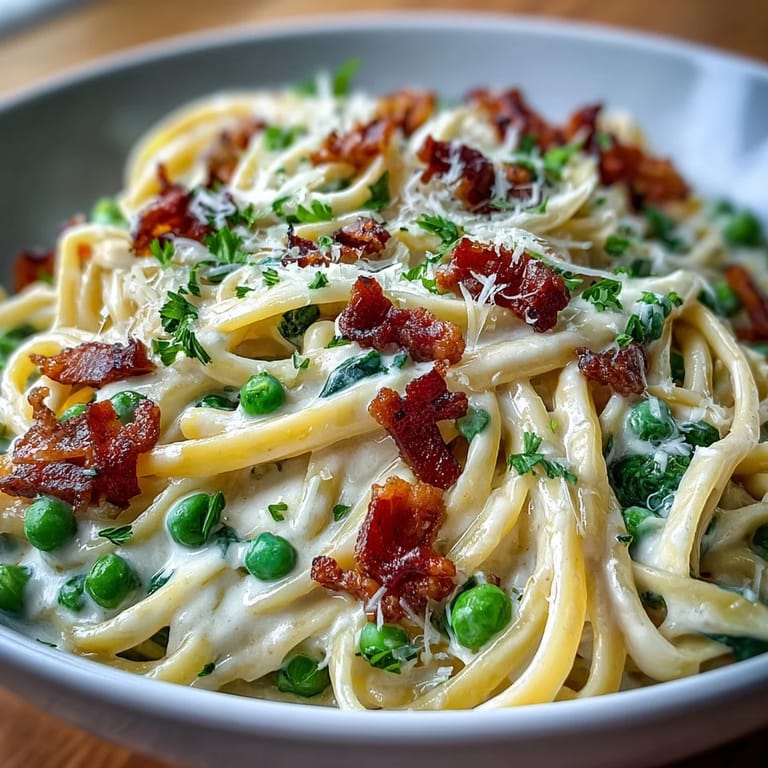
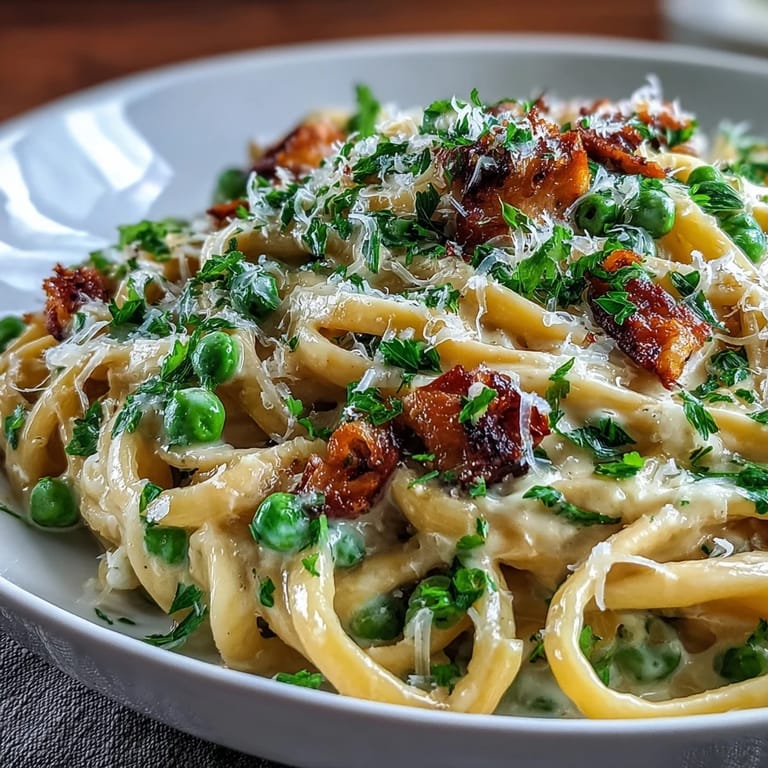
The base recipe is so clean that it welcomes additions without feeling crowded, which I've learned through many happy accidents in my kitchen. I've thrown in sautéed shrimp, grilled chicken, baby spinach that wilts right into the warmth, and even a handful of arugula for peppery contrast. One memorable evening I added crispy pancetta, which felt almost wrong given how delicate everything else was, but somehow the salty richness made the lemon sing even louder.
Pairing and Serving Suggestions
Serve this immediately while it's hot and the sauce is still silky, because pasta has a way of absorbing the sauce and tightening up if it sits too long. A crisp Sauvignon Blanc is made for this dish, but honestly, anything cold and refreshing works beautifully. Here are some thoughts on making this meal feel complete:
- A simple green salad with a sharp vinaigrette: cuts through the richness and adds textural contrast.
- Crusty bread for soaking up every drop: no shame in this, it's practically required.
- Extra Parmesan and fresh cracked pepper at the table: let people customize their own final finish.
 Pin It
 This dish proves that you don't need a long ingredient list or hours in the kitchen to make something that feels intentional and satisfying. It's become my go-to when I want to feel like I've cooked something real, without the stress.
Recipe Q&A
- → What type of pasta works best for this dish?
Long noodles like linguine or spaghetti hold the lemon-butter sauce well and create a balanced texture.
- → Can I use frozen peas instead of fresh ones?
Yes, frozen peas should be cooked until heated through and tender, providing similar sweetness and texture.
- → How do I achieve a creamy sauce without cream?
The reserved pasta water combines with butter and Parmesan to create a smooth, creamy coating for the pasta.
- → What can I add to increase protein content?
Sautéed shrimp or grilled chicken make great additions to complement the dish's flavors.
- → Is there a good wine pairing for this dish?
A crisp Sauvignon Blanc pairs beautifully, enhancing the lemon and Parmesan notes.
- → How do I adjust seasoning for personal taste?
Taste before serving and add extra salt or black pepper as desired to balance the flavors.