 Pin It
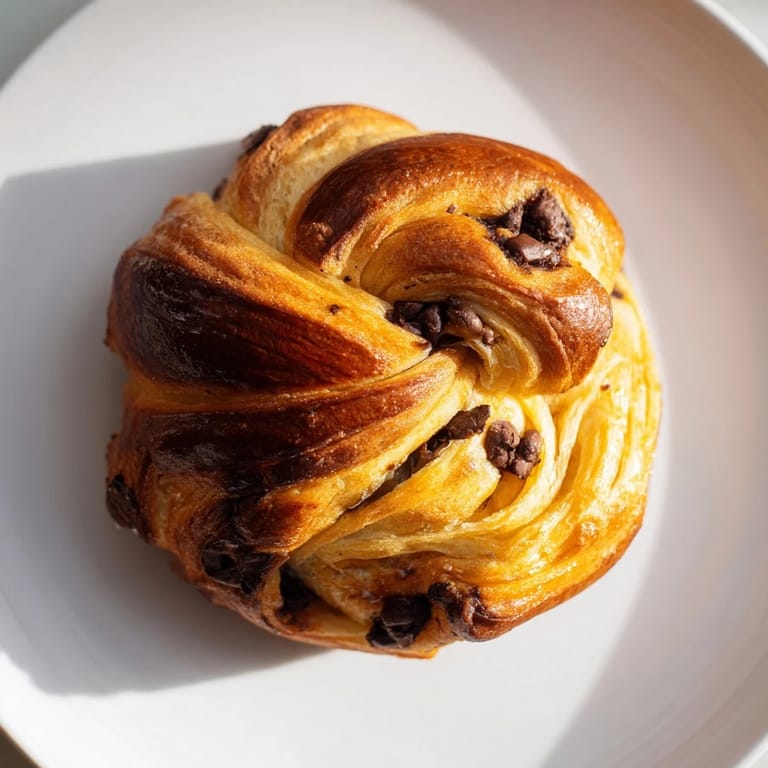
 The first time I combined croissant dough with cookie dough, I wasn't even sure what I was creating—just knew I wanted that flaky, buttery lamination with the gooey chocolate chip richness all in one bite. My kitchen smelled like yeast and brown sugar for hours, and when those golden crescents came out of the oven, my roommate actually stopped mid-conversation to ask what I was making. That's when I knew the crookie was onto something special.
I brought these to a potluck once, still warm from the oven in a paper bag, and watched people's faces as they bit through those shattering layers into the chocolate center. One friend literally went back for seconds before anyone else had grabbed their first one. That moment taught me that food doesn't have to be complicated to feel extraordinary.
Ingredients
- All-purpose flour (250 g + 120 g): The foundation—some of it builds your laminated layers, the rest becomes your cookie crumb structure that softens when it meets the warm chocolate.
- Unsalted butter (150 g cold + 25 g melted + 70 g softened): Cold butter in the dough creates those paper-thin layers; the softened butter in your cookie dough keeps everything tender and rich without being greasy.
- Granulated sugar (30 g + 40 g): Split between the dough and cookie layers to build flavor without overwhelming delicate pastry layers.
- Brown sugar (60 g): The secret to that caramel-like depth in every bite, bringing moisture and complexity.
- Instant yeast (7 g): Just enough to give your dough a slight rise and create tiny air pockets—you want structure, not a bread-like crumb.
- Whole milk, lukewarm (120 ml): Warmth activates the yeast gently; whole milk adds richness that all-purpose water never could.
- Eggs (1 large + 1 yolk): One egg binds your dough, the yolk enriches your cookie layer with that almost silky texture.
- Vanilla extract (1 tsp): A small amount that makes the chocolate somehow taste more like itself.
- Baking soda (1/2 tsp): Just enough to give a gentle spread and that almost-caramelized edge when the crookies bake.
- Salt (1/4 tsp + 1 tsp): Distributed between layers to balance sweetness and bring out every flavor.
- Dark chocolate chips (100 g): Choose chips with cocoa content you actually enjoy—they don't just melt, they become the soul of this treat.
Tired of Takeout? 🥡
Get 10 meals you can make faster than delivery arrives. Seriously.
One email. No spam. Unsubscribe anytime.
Instructions
- Build your laminated foundation:
- Mix flour, sugar, salt, and yeast in a bowl, then add your lukewarm milk, melted butter, and egg—the dough should come together shaggy and warm. Knead for about five minutes until it's smooth and slightly elastic, then shape it into a rectangle and tuck it into the fridge for thirty minutes while the gluten relaxes and the yeast wakes up.
- Prepare your butter block:
- Roll your cold butter between two sheets of parchment until it forms a perfect fifteen-by-fifteen centimeter square, then refrigerate it alongside your resting dough. This separate butter block is what creates those gossamer layers—cold, firm butter resists merging with the dough, leaving tiny pockets of air.
- Lock in the lamination:
- Roll your chilled dough to thirty by fifteen centimeters, place your butter square in the center, then fold the dough edges over it like an envelope. Seal the seams gently but firmly, then roll the whole thing out to forty-five by twenty centimeters and fold it into thirds like a letter—this is your first turn.
- Build the layers through folding:
- Chill for thirty minutes, then repeat that rolling-to-forty-five-by-twenty and folding-into-thirds two more times, chilling thirty minutes between each turn. After your third fold, let the whole thing rest in the fridge for a full hour—those repeated folds are building hundreds of butter-flour layers, and patience here is everything.
- Mix your cookie dough while waiting:
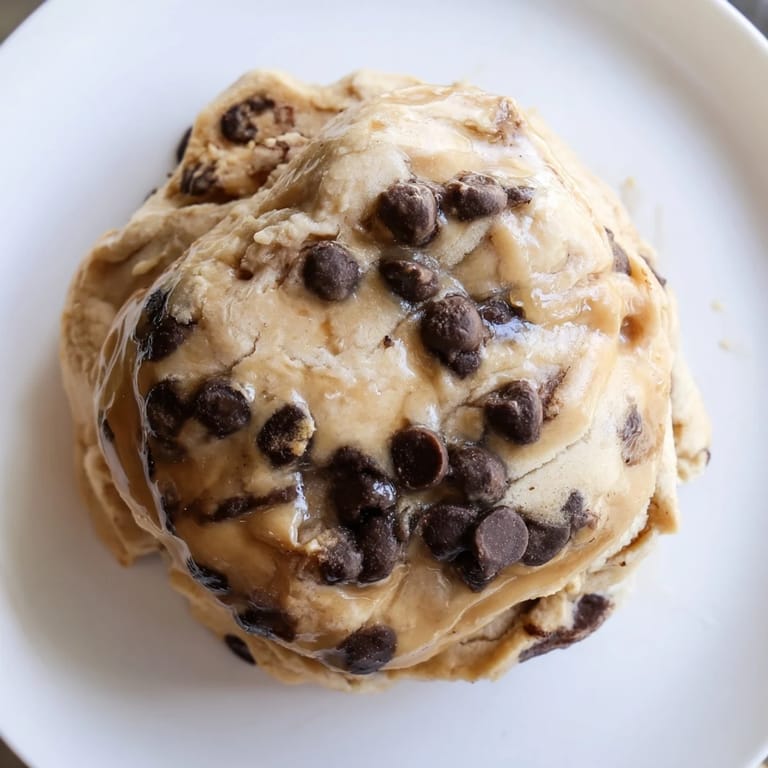
- Beat your softened butter with both sugars until the mixture looks light and fluffy, almost cloud-like. Add your egg yolk and vanilla, mix until combined, then fold in flour, baking soda, and salt until just barely blended—overworking toughens the crumb—and finally fold in your chocolate chips gently.
- Assemble your hybrid creation:
- Roll your laminated dough to thirty by twenty-five centimeters and about six millimeters thick, then spread your cookie dough evenly across it, leaving a one-centimeter border all around. Roll it up tightly from the long side like you're making a spiral, then slice into eight equal rounds with a sharp, confident knife.
- Give them time to rise:
- Arrange your crookies on a parchment-lined baking sheet with a little space between each one, cover them loosely with plastic wrap or a kitchen towel, and let them proof at room temperature for a full hour. You'll notice them puff slightly and feel less dense—that's the yeast creating little air pockets that make them lighter than they have any right to be.
- Bake until golden:
- Heat your oven to one-hundred-ninety degrees Celsius, then bake your crookies for eighteen to twenty minutes—you're looking for a deep golden color on top and a crumb that's set but still has a whisper of give when you press it gently. Let them cool on a wire rack, though honestly, warm is when they're most magical.
 Pin It
 I learned something watching a friend make these for the first time in my kitchen: she was intimidated by the lamination but treated the whole process like a meditation instead of a test. No rushing, no frustration, just folding and waiting and trusting. That's when these stopped being a technical challenge and became something almost peaceful to create.
Timing and Temperature Matter
The entire process hinges on temperature control, which I learned the hard way when my apartment's heat spiked mid-lamination and my butter started leaking through. Now I chill everything before I think I need to and pull things out only when I'm ready to work with them. If your butter is even slightly soft during rolling, it will blend into the dough and the lamination collapses—so err on the side of cold, always.
Chocolate and Mix-In Possibilities
While dark chocolate chips are the anchor here, I've had success with chopped dark chocolate, milk chocolate (though it can feel too sweet), and even mixing in toasted nuts like hazelnuts or almonds for textural contrast. The key is that whatever you add shouldn't be wet or heavy—if you're considering jam or curd, brush it on after baking instead of baking it inside.
Storage, Reheating, and Serving Wisdom
These taste best eaten within hours of baking, when the contrast between the crispy exterior and soft interior is most pronounced. You can wrap cooled crookies in plastic and store them for up to two days, then gently warm them for five minutes at one-hundred-fifty degrees Celsius to restore some of that flakiness.
- Egg wash brushed on before baking gives a professional shine and deeper golden color.
- Pair them with strong coffee or tea—the bitterness balances their richness perfectly.
- They freeze beautifully after baking, so make a double batch and have them on hand for unexpected moments.
 Pin It
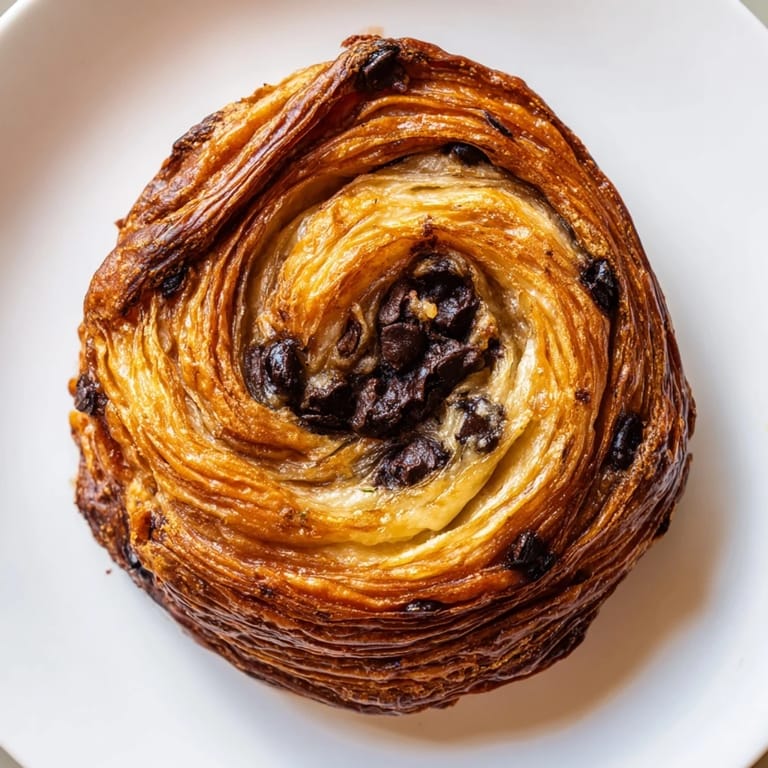
 These crookies are what happens when you refuse to choose between two things you love and decide to have both at once. They're indulgent without being pretentious, impressive without requiring wizardry—just patience and cold butter and time.
Recipe Q&A
- → What is laminated dough?
Laminated dough is made by folding cold butter into flour-based dough multiple times, creating thin, delicate layers that bake into a flaky texture.
- → How do I achieve flakiness in this pastry?
Chilling the dough and butter several times during folding helps create distinct layers, essential for the signature flaky crumb.
- → Can I substitute dark chocolate chips?
Yes, experimenting with different chocolates or adding chopped nuts can customize flavor and texture as desired.
- → What is the best way to store leftovers?
Keep croissants wrapped at room temperature for a day or refrigerate and gently reheat to maintain softness without drying out.
- → Why is proofing important before baking?
Proofing allows the dough to rest and rise, ensuring lightness and a tender crumb after baking.