 Pin It
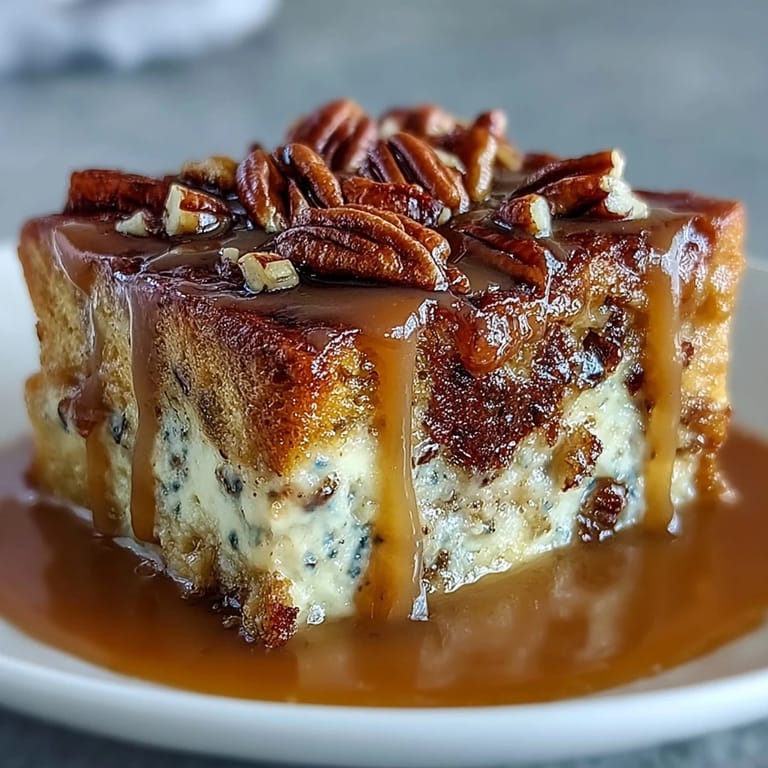
 One lazy Sunday morning, my neighbor dropped off a jar of homemade guava paste and wouldn't stop raving about it—so naturally, I had to find something worthy of it that same afternoon. Bread pudding felt like the obvious choice, but I wanted to push it beyond tradition, so I started layering in caramel and toasted pecans just to see what would happen. That first bite, with the custardy bread giving way to pockets of tropical guava and that buttery caramel drip, made me understand why she was so proud of that jar. Now I make this whenever I want to turn an ordinary dessert into something that feels like a small celebration.
I tested this on a Wednesday evening for a small dinner party, and honestly, I was nervous about the guava paste holding its shape during baking. But something magical happened: the cubes softened into jammy pockets while staying distinct enough that every spoonful felt surprising. My friend Maria went back for seconds and asked if I'd made it professionally, which made me laugh because I'd nearly forgotten the pecans in my rush to get it in the oven.
Ingredients
- Day-old brioche or challah, cubed (8 cups): Slightly stale bread absorbs the custard without turning to mush—fresh bread will fall apart, so plan ahead or dry yours out in a low oven for 10 minutes.
- Whole milk (2 cups): The backbone of your custard, bringing richness and helping the bread absorb evenly.
- Heavy cream (1 cup): This is what makes the pudding luxurious instead of just moist; don't skip it.
- Large eggs (4): They bind everything together and give the pudding its creamy texture when baked.
- Granulated sugar (1/2 cup): Sweetness and structure, balancing the tartness of the guava beautifully.
- Vanilla extract (2 tsp): A quiet flavor that ties everything together without announcing itself.
- Salt (1/4 tsp): This tiny amount makes every other flavor pop, especially important when caramel is in the mix.
- Guava paste, cubed (1 cup): The star ingredient—seek out quality paste from a Latin market if possible, as it makes a real difference in flavor depth.
- Caramel sauce (1/2 cup plus extra for drizzling): Homemade tastes better, but store-bought works beautifully too; just taste it first to adjust sugar levels in your custard if needed.
- Chopped pecans (3/4 cup): Toast them lightly in a dry pan for 2 minutes before adding to wake up their nutty flavor.
- Unsalted butter, melted (2 tbsp plus more for greasing): Use real butter for the richest taste; the melted butter on top creates a golden crust.
Tired of Takeout? 🥡
Get 10 meals you can make faster than delivery arrives. Seriously.
One email. No spam. Unsubscribe anytime.
Instructions
- Set your stage:
- Preheat your oven to 350°F and grease that 9x13-inch dish thoroughly with butter—get into the corners and up the sides so nothing sticks. This small step saves heartbreak later.
- Build your custard:
- Whisk milk, cream, eggs, sugar, vanilla, and salt together in a large bowl until the sugar dissolves and everything looks smooth and unified. You're creating the magic liquid that will transform plain bread into something spoonable and rich.
- Soak the bread:
- Add your cubed bread to the custard and stir gently—you want every piece kissed by the mixture, not crushed. Let it sit for 10 minutes, stirring once halfway through, so the bread can drink in the custard without falling apart.
- Fold in the jewels:
- Gently fold in the guava paste cubes and half the pecans, being careful not to overmix and bruise the guava. You're building layers of flavor that will surprise you with each bite.
- Layer with intention:
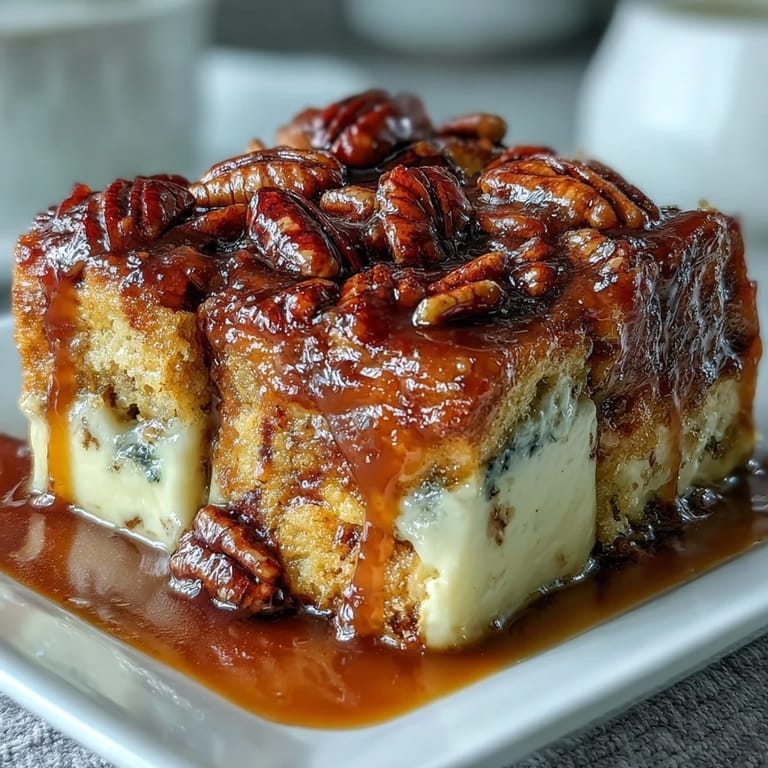
- Pour half the soaked bread mixture into your prepared dish, then drizzle with half the caramel sauce, creating ribbons of sweetness. Top with the remaining bread mixture and the rest of the caramel, weaving them together like you're creating a dessert mosaic.
- Crown it:
- Scatter the remaining pecans across the top and drizzle the melted butter over everything—this creates that golden, slightly crispy top that contrasts beautifully with the soft interior. Trust the process here.
- Bake until golden:
- Slide it into the oven for 40 to 45 minutes, watching for a golden-brown top and a center that's set but still slightly jiggly if you gently shake the dish. If the top starts browning too quickly, tent it loosely with foil and keep baking until the center firms up.
- Rest before serving:
- Let it cool for just 10 to 15 minutes—this isn't cake, so you want it warm and a little custardy in the center. Any longer and it'll be perfect but less dramatic when you plate it.
 Pin It
 The moment that made this recipe stick with me happened when my kids actually asked for seconds without being prompted—and they usually avoid custard-y things. That's when I realized this wasn't just a fancy dessert; it was something that genuinely brings people together because it tastes like comfort and adventure at the same time.
Why This Flavor Combination Actually Works
Guava is naturally tangy and jammy, which cuts through the richness of the custard and caramel in a way that makes your palate feel refreshed instead of overwhelmed. The pecans add a savory depth that grounds all that sweetness, and the caramel ties everything together into one cohesive story. It's not chaos—it's balance.
Make It Your Own
This recipe is honestly forgiving enough that you can play with it. Some people swear by adding a splash of rum to the custard, while others layer in shredded coconut or even a few crispy bacon pieces for contrast. The framework stays the same, but your signature emerges through the variations you choose.
Serving and Storage Wisdom
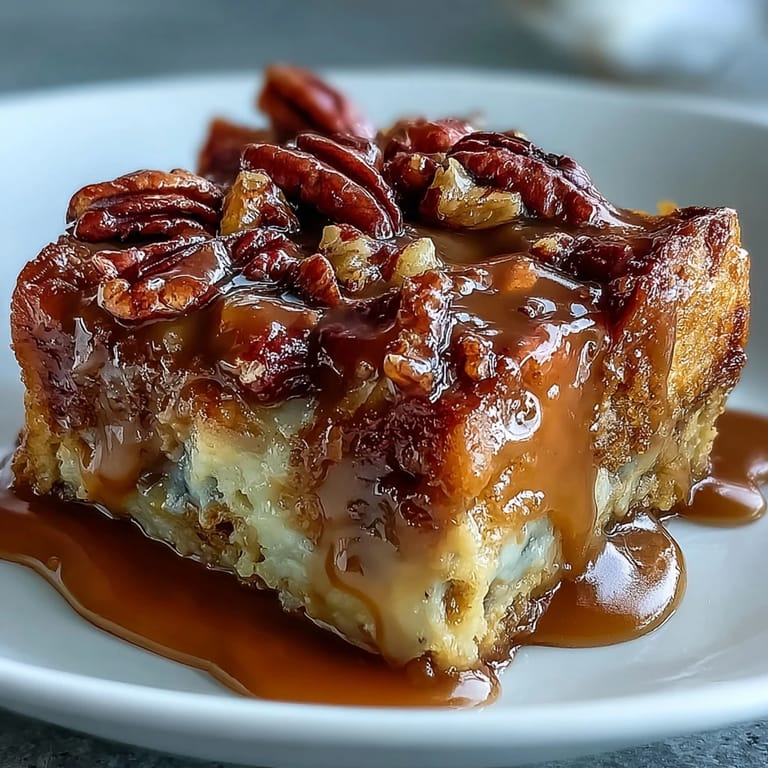
Serve this warm straight from the pan if you're feeding a crowd—it's less precious that way and honestly tastes better when still steaming. A scoop of vanilla ice cream melting into the warm pudding is the move, though whipped cream works beautifully too if that's what you have on hand.
- Leftovers keep well covered in the fridge for up to 3 days, and reheating gently in a 300°F oven for 15 minutes brings back that just-baked warmth.
- You can assemble this the night before and bake it the next day—just add 5 to 10 minutes to the baking time since it'll be cold going in.
- If you're making this for people with nut allergies, swapping out pecans for crispy breadcrumbs mixed with a bit of cinnamon still gives you that textural contrast you're after.
 Pin It
 This bread pudding has become my answer to the question, "What should I bring?" because it's impressive enough to feel like a gift but approachable enough that people actually eat it without hesitation. Make it once and you'll find yourself reaching for this recipe again and again.
Recipe Q&A
- → Can I use fresh guava instead of paste?
Guava paste works best here because it's concentrated and holds its shape during baking. Fresh guava would release too much liquid and make the custard soggy. If you only have fresh fruit, cook it down into a thick paste first, or substitute with thick mango or apricot preserves.
- → What type of bread yields the best results?
Brioche or challah are ideal because their rich, eggy structure absorbs custard beautifully while maintaining texture. Day-old bread works better than fresh since it's slightly drier and soaks up liquid without becoming mushy. French bread or Portuguese sweet bread make excellent alternatives.
- → How do I know when it's fully baked?
The pudding is done when the top is golden brown and the center feels set when gently shaken—no liquid should jiggle. A knife inserted near the center should come out mostly clean. If the top browns too quickly, loosely tent with foil for the last 10-15 minutes of baking time.
- → Can I prepare this ahead of time?
Assemble everything up to 8 hours before baking and refrigerate covered. The extended soaking time actually improves texture. Add 5-10 minutes to baking time if baking cold from the refrigerator. Leftovers reheat beautifully in the microwave or covered in a 325°F oven.
- → What's the best way to serve this?
Warm is ideal—let it cool for 10-15 minutes after baking so the custard sets slightly. Drizzle with additional warm caramel sauce and add a scoop of vanilla ice cream or dollop of whipped cream for contrast. The temperature difference between warm pudding and cold toppings creates a wonderful experience.
- → Can I make this dairy-free?
Substitute whole milk with oat or almond milk, use full-fat coconut milk for cream, and replace butter with vegan butter or coconut oil. The texture will be slightly different but still delicious. Use a high-quality vegan caramel or make your own with coconut milk and coconut sugar.