 Pin It
 My aunt brought a wedge of guava cheesecake to a family dinner one sweltering August evening, and I watched my usually composed grandmother close her eyes after the first bite like she was transported somewhere distant. The tropical tang of the guava swirl cutting through that impossibly smooth cream cheese filling felt like tasting two desserts at once, and I knew I had to learn how to make it. Years later, I still remember the kitchen smelling like butter and caramelized Maria cookies as my hands pressed that crust into shape, and somehow every version I make feels like honoring that moment.
I made this for my partner's birthday dinner before we knew how to properly use our oven, and somehow it turned out perfect anyway—maybe because we were too nervous to open the door and check on it constantly. Watching them try it with their eyes still closed, the same way my grandmother had, made me realize this cheesecake carries a kind of magic that transcends technique. It's become our celebratory dessert ever since, the one we make when something good happens or when we just need to remind ourselves why we love cooking together.
Ingredients
- Maria cookies (200 g): These are the unsung heroes of the crust—buttery and slightly sweet, they crisp up beautifully and provide the perfect texture contrast to the creamy filling.
- Unsalted butter (80 g), melted: Use real butter here because it makes a difference in how the crust holds together and tastes slightly toasted.
- Granulated sugar (2 tbsp for crust, 200 g for filling): The filling sugar needs to be beaten thoroughly with cream cheese or the texture will feel gritty.
- Cream cheese (600 g), softened: Leave it on the counter for at least 30 minutes—cold cream cheese creates lumps that no amount of beating will fix.
- Sour cream (200 ml): This adds the tanginess that keeps the cheesecake from feeling too heavy and lets the guava flavor shine.
- Eggs (3 large): Room temperature eggs mix more smoothly into the batter and create a creamier texture.
- Pure vanilla extract (1 tsp): Don't skip this or use imitation—it brightens everything without making the dessert taste like vanilla.
- Lime zest (from 1 lime, optional): If you use it, it creates a subtle brightness that makes people ask what the secret ingredient is.
- Guava marmalade or paste (200 g): This is where the tropical magic happens—use real guava, not artificial flavoring, and taste it first to make sure you like it.
Tired of Takeout? 🥡
Get 10 meals you can make faster than delivery arrives. Seriously.
One email. No spam. Unsubscribe anytime.
Instructions
- Prep your pan and preheat:
- Set your oven to 160°C and line a 23 cm springform pan with parchment paper, greasing the sides lightly so nothing sticks. You want the oven warming up while you work because a preheated oven is non-negotiable for even baking.
- Build the crust:
- Pulse Maria cookies in a food processor until they resemble fine breadcrumbs—about the texture of wet sand. Mix them with melted butter and sugar until everything is evenly moistened, then press firmly into the pan base and bake for 10 minutes until it starts to smell toasty.
- Cool and prepare the filling base:
- Let the crust cool for a few minutes while you beat the softened cream cheese and sugar together until completely smooth and creamy, which takes about 3 minutes of steady beating. If you see lumps, keep going—they'll dissolve with patience.
- Build the filling layer by layer:
- Fold in the sour cream gently but thoroughly, then add eggs one at a time, beating just until each one disappears into the batter before adding the next. Stir in vanilla extract and lime zest if you're using it, but don't overmix at this stage or you'll incorporate too much air.
- Ready the guava swirl:
- Heat the guava marmalade gently in a small saucepan with 2 tablespoons of water, stirring until it loosens into a pourable consistency—you want it thick but flowing. If you're using guava paste, mash it and stir until smooth enough to drizzle.
- Assemble and swirl:
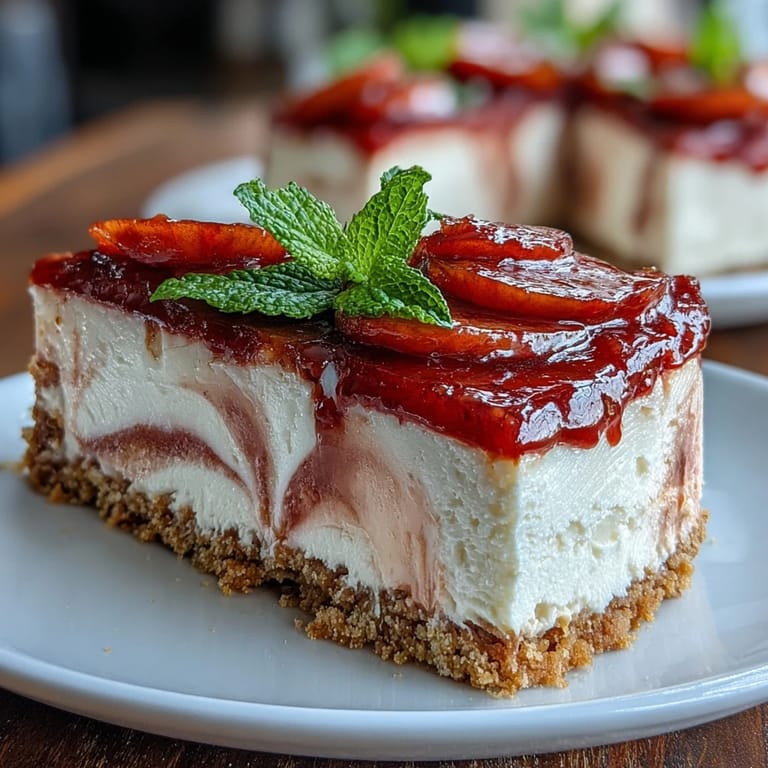
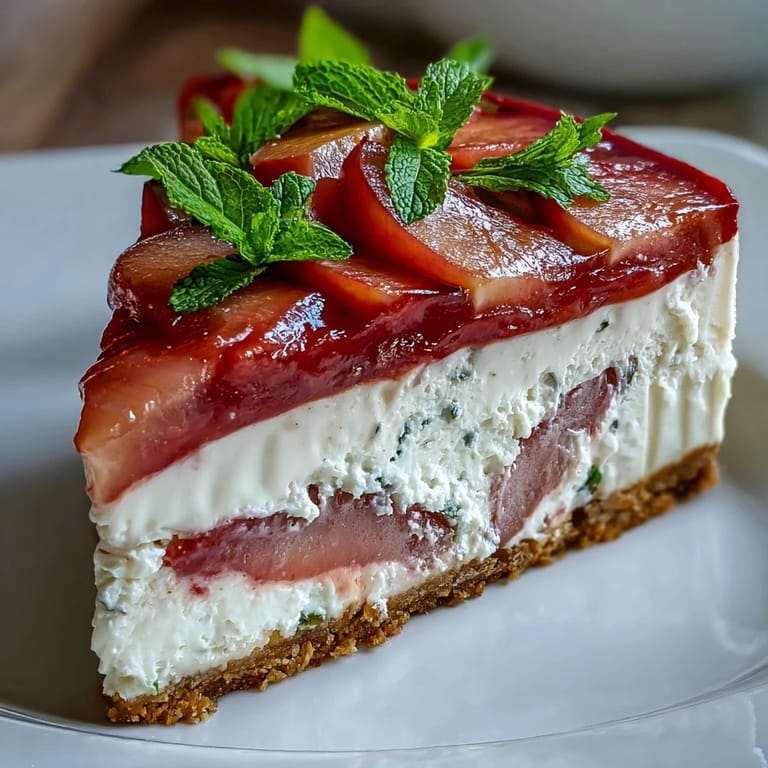
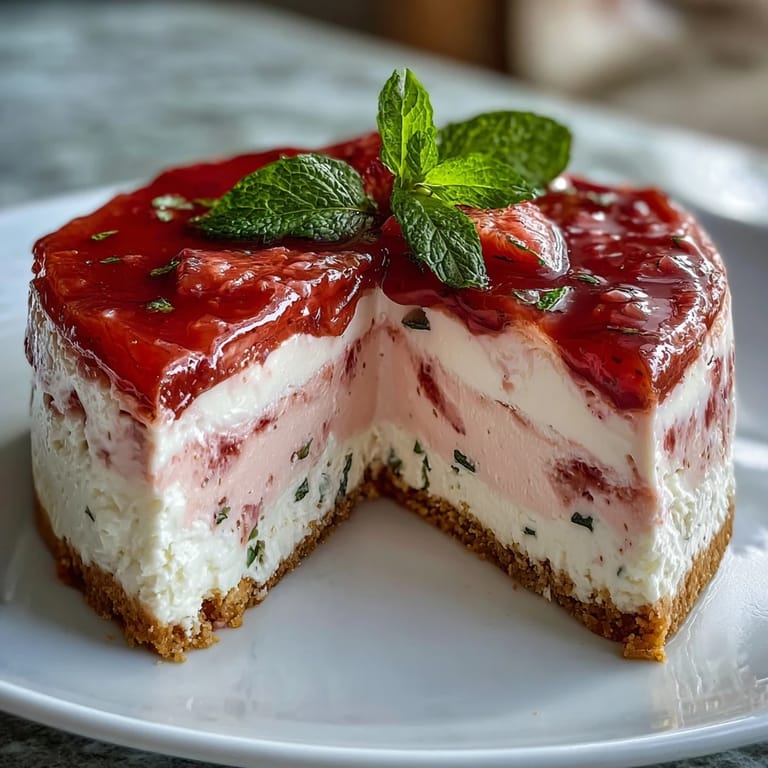
- Pour the cream cheese filling over the cooled crust and smooth the top with a spatula, then drop spoonfuls of guava in a loose pattern across the surface. Take a knife or skewer and drag it gently through the guava in one direction, then the opposite, creating those beautiful marbled lines.
- Bake with intention:
- Bake for 50 to 55 minutes—the edges should look set but the very center should still jiggle slightly when you gently shake the pan, like a barely-set custard. This wobbling in the middle is actually what keeps it creamy instead of dense.
- The cooling magic:
- Turn off the oven and crack the door open slightly, then let the cheesecake sit in that cooling oven for a full hour without you fussing with it. This slow transition from heat prevents the cracks that come from sudden temperature changes.
- Chill and set:
- Transfer to the refrigerator for at least 3 hours, though overnight is better because the flavors settle and meld together beautifully. Cold cheesecake is also easier to slice cleanly.
 Pin It
 The first time someone brought me a slice of this after I'd shared my recipe, I realized that food becomes something more when it carries a story—this cheesecake had become our thing, the dessert we made when we wanted to say something without words. Every guava swirl became a little conversation about flavor and summer and why some moments deserve something beautiful on a plate.
The Secret of the Guava Swirl
I learned by accident that you don't need much guava to make an impact—a friend once used half the amount I'd called for because they weren't sure they liked guava, and it created the most elegant, subtle marbling instead of an aggressive tropical blast. The lesson stuck with me: sometimes restraint makes something more sophisticated, and you can always add more guava next time if you want it bolder. Now I think of the swirl not as decoration but as a flavor that whispers instead of shouts.
Slicing and Serving Like a Professional
The difference between a clean slice and a messy one comes down to temperature and a hot knife—I keep a tall glass of hot water beside me while slicing and dip the knife between every cut, wiping it clean on a kitchen towel. This is the kind of detail that seems small until you're plating a dessert for people you want to impress, and then it suddenly matters. A sharp, hot knife glides through cold cheesecake like butter through warm bread.
Variations and Personal Touches
Once you understand how this cheesecake works, you can play with it—I've made versions with passion fruit, mango, and even blackberry swirls by following the same method, and each one tastes like a different memory or season. Some people use graham crackers for the crust if Maria cookies aren't available, which gives a nuttier flavor that's equally delicious. The guava version will always be the one that tastes like my grandmother's birthday and lazy August evenings, but the structure lets you make this dessert your own.
- Fresh guava slices or mint leaves scattered on top add elegance without extra effort.
- A glass of Moscato or sparkling rosé alongside changes everything—the bubbles and sweetness echo the tropical notes perfectly.
- Make this dessert a day ahead because the flavors develop overnight and the texture becomes even creamier.
 Pin It
 This cheesecake has become my answer to the question nobody asks but everyone feels: what do you make when you want someone to know they matter to you? It's tropical and familiar, elegant and unintimidating, the kind of dessert that brings people back to the table for seconds they didn't plan on.
Recipe Q&A
- → How long should guava cheesecake chill before serving?
Refrigerate for at least 3 hours, though overnight chilling produces the firmest texture and most developed flavors. The chilling time allows the cheesecake to set completely, making clean slices easier to achieve.
- → Can I use fresh guava instead of marmalade?
Fresh guava would need to be cooked down with sugar to create a thick, spreadable consistency similar to marmalade. The paste or marmalade works best because it provides concentrated flavor without excess moisture that could affect the cheesecake's texture.
- → Why does my cheesecake crack and how can I prevent it?
Cracking occurs from rapid temperature changes or overbaking. The cooling-in-oven technique—turning off the heat and cracking the door for one hour—allows gradual temperature reduction. Also, avoid opening the oven door frequently during baking, as drafts can cause surface cracks.
- → What's the best way to achieve the marble swirl effect?
Drop room-temperature guava marmalade in spoonfuls across the cheesecake surface, then use a knife or skewer to gently drag through the batter in circular or S-shaped motions. Don't over-swirl, or you'll lose the distinct marbled pattern and blend the flavors too much.
- → Can I substitute Maria cookies with something else?
Graham crackers, digestive biscuits, or vanilla wafers work well as substitutes. Each brings a slightly different flavor profile—graham crackers add honey notes, while digestives offer a more neutral, buttery taste. Use the same weight (200g) regardless of your choice.
- → How do I know when the cheesecake is done baking?
The edges should appear set and slightly puffy, while the center retains a gentle jiggle when you gently shake the pan. This residual heat completes the cooking process during the cooling phase. Overbaking produces a dry, crumbly texture rather than the desired creamy consistency.