 Pin It
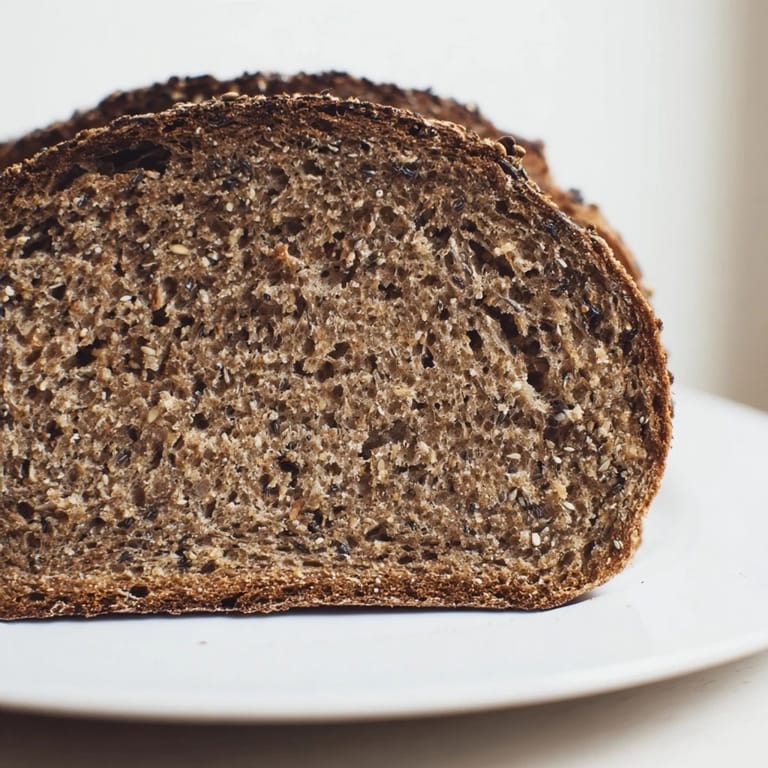
 There's something about watching a bowl of dark rye dough rise overnight that makes you feel connected to centuries of Estonian kitchens. My first time making this bread, I'd borrowed a recipe from a neighbor whose grandmother had brought it across the Baltic, and when I opened my oven the next morning, the smell hit me like a time machine—rich, earthy, with hints of molasses and something beautifully complex. That loaf taught me that some of the most rewarding breads demand patience, not fussing.
I'll never forget pulling this loaf out of my oven during a grey Baltic winter and slicing into it while my partner made strong coffee in the background. We sat in near silence for a few minutes, just eating thick slices with butter, the kind of moment where food stops being food and becomes a conversation. That's when I knew this bread belonged in regular rotation.
Ingredients
- Active rye sourdough starter (100 g): Use one that's been fed within the last few hours and smells alive and bubbly—this is your leavening engine, so choose a healthy one.
- Dark rye flour (400 g): Look for the darkest rye flour you can find; it gives this bread its characteristic depth and slightly sweet undertone.
- Bread flour (100 g): The wheat flour keeps the crumb from becoming too dense and gives structure to balance the rye's heaviness.
- Lukewarm water (300 ml): Temperature matters here; too hot kills your starter, too cold and fermentation stalls.
- Dark rye malt or barley malt powder (50 g): This is the secret weapon—it adds color, subtle sweetness, and a faintly toasty note that lifts the entire loaf.
- Molasses or dark honey (2 tbsp): Don't skip this; it feeds the fermentation and deepens the flavor in ways you can't quite put into words.
- Caraway seeds (1 tbsp, plus more for topping): Toast them lightly in a dry pan first if you want to wake up their essential oils; either way, they're essential to the Estonian character.
- Fine sea salt (2 tsp): Salt shapes flavor and controls fermentation speed, so measure it honestly.
Tired of Takeout? 🥡
Get 10 meals you can make faster than delivery arrives. Seriously.
One email. No spam. Unsubscribe anytime.
Instructions
- Wake up your starter and bloom the dough:
- Combine your active starter, lukewarm water, and molasses in a large bowl, stirring until the molasses dissolves into the water like you're making a sweet tea. This is where the magic begins—you're waking up all that dormant fermentation.
- Bring the dry ingredients together:
- Add the rye flour, bread flour, malt powder, caraway seeds, and salt, then mix with a wooden spoon until a thick, sticky dough forms that looks almost like thick cake batter. Don't worry about smoothness; rye dough is inherently shaggy and doesn't develop gluten the way wheat dough does.
- Let time do the heavy lifting:
- Cover the bowl with a damp cloth and walk away for 10–12 hours at room temperature, or until the dough has visibly expanded and the surface is covered with bubbles. You'll notice it smells increasingly complex—that's fermentation building flavor.
- Shape and proof in the pan:
- Line a loaf pan with parchment paper, then scrape the dough into it (it'll be sticky, and that's normal). Smooth the top with a wet spatula, sprinkle caraway seeds across the surface if you're feeling generous, then cover and let it rise another 2–4 hours until it's nearly at the rim of the pan.
- Bake with steam for a deep crust:
- Preheat your oven to 220°C (430°F) and place a pan of hot water on the bottom rack to create steam. Bake the loaf on the middle rack for 15 minutes at high heat, then drop the temperature to 190°C (375°F) and bake for another 30 minutes, until the crust is dark and the loaf sounds hollow when tapped on the bottom.
- Cool completely before slicing:
- Remove the loaf to a wire rack and resist every urge to slice into it warm. The crumb continues to set as it cools, and waiting rewards you with better texture and cleaner slices.
 Pin It
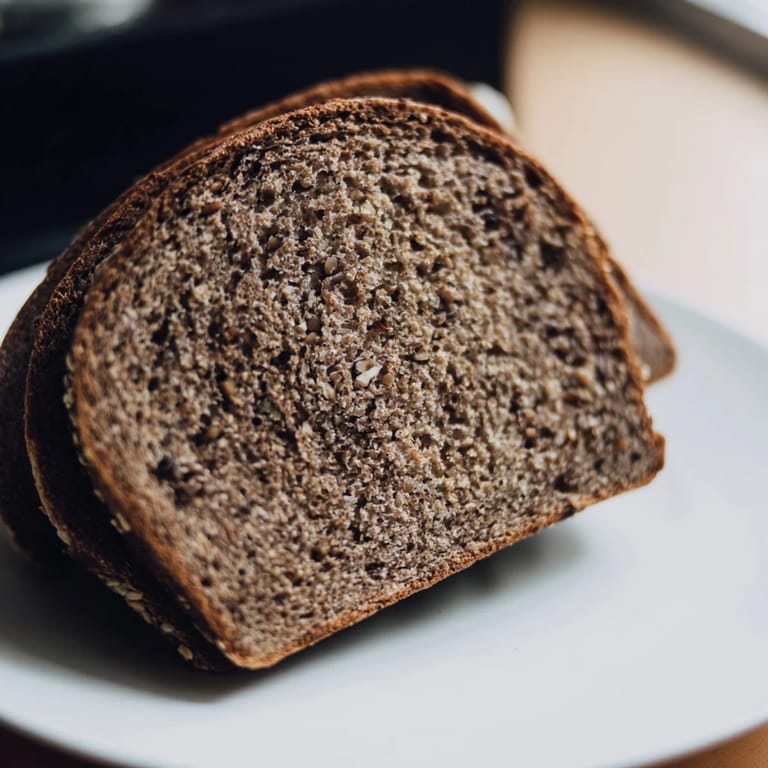
 The first time someone told me that this bread tastes even better on day two or three, I thought they were being polite. Then I discovered they were absolutely right—the flavors deepen and the crumb firms up into something you can actually slice cleanly. It became my test of whether a recipe was truly good or just convenient.
Why Rye Sourdough Demands Patience
Rye flour doesn't have the same gluten network as wheat, so this dough will never become smooth and elastic no matter how much you work it. What it does instead is ferment beautifully, developing complex flavors that wheat-heavy breads simply can't match. Once you stop fighting the rye and start working with it, everything becomes easier.
The Malt Factor
The first time I made this without malt powder (thinking it was optional), I got a bread that was technically correct but spiritually flat. Malt adds color, a faint toastiness, and a subtle sweetness that makes people pause mid-bite and try to identify what they're tasting. It's what separates an everyday rye loaf from one worth serving with your best butter and smoked fish.
Serving and Keeping
This bread reaches its stride when paired with things that balance its density and depth—soft butter, sharp aged cheese, thinly sliced smoked salmon, or a plate of cured meats. It also keeps longer than most breads because rye flour's natural properties slow staling, making it the kind of loaf that quietly improves for days.
- Wrap cooled loaves in a clean kitchen towel and store at room temperature for up to a week, or freeze for longer storage.
- Slice it thin and toast it if it's a few days old; the structure holds up beautifully and the flavors intensify.
- If you want a sweeter bread, increase the molasses to 3 tablespoons and toast the caraway seeds before adding them to deepen their aroma.
 Pin It
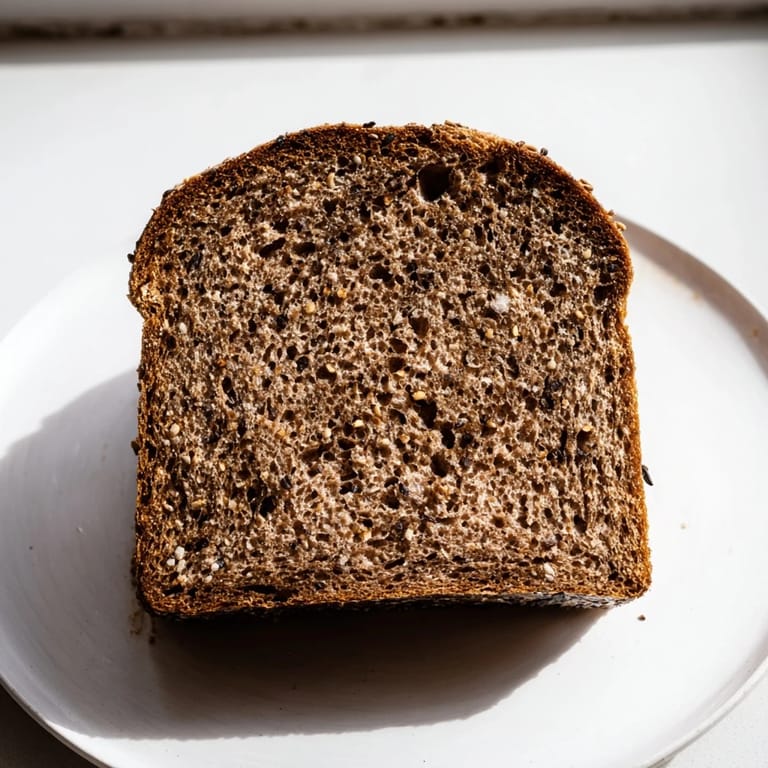
 This bread is worth making not because it's complicated, but because it's genuinely good and tastes like it comes from somewhere real. Once you've made it once, you'll understand why people brought these recipes across oceans.
Recipe Q&A
- → What type of flour is used in this loaf?
The loaf combines dark rye flour and bread flour, providing a dense yet tender crumb typical to traditional Estonian bread.
- → How long does the dough need to rise?
The dough undergoes a long rise of approximately 12–16 hours at room temperature for full fermentation and flavor development.
- → What is the purpose of caraway seeds?
Caraway seeds add a distinctive aromatic flavor that enhances the bread's traditional profile and pairs well with savory accompaniments.
- → How is steam incorporated during baking?
Placing a pan of hot water on the oven’s lower rack creates steam, which helps to form a crisp and glossy crust on the loaf.
- → Can the molasses be adjusted for sweetness?
Yes, increasing molasses to 3 tablespoons will add a sweeter note to the loaf without overpowering its hearty character.