 Pin It
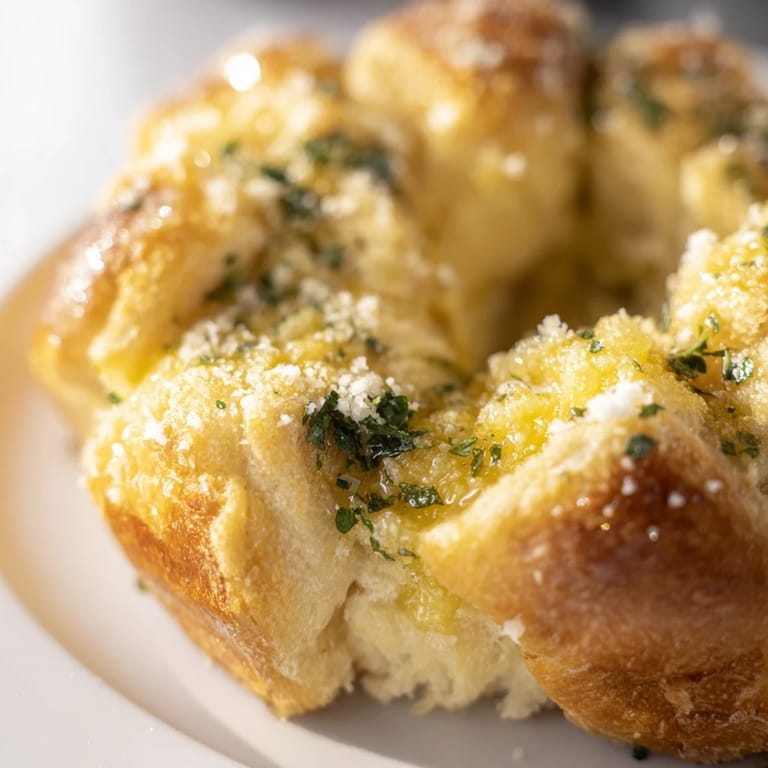
 The smell of garlic butter melting into warm bread is what pulled my neighbor through the back door without knocking. I was testing this pull-apart bread on a random Wednesday, and by the time the pan came out of the oven, three people had somehow appeared in my kitchen. No one said much, they just reached in and pulled a roll free, strings of butter glistening between the pieces. That's when I knew this wasn't just bread, it was an invitation.
I made this for a potluck once and watched it disappear in under four minutes. People were pulling rolls apart before I even set the pan down, fingers shiny with garlic butter, laughing at how impossible it was to take just one. Someone asked if I'd brought anything else, and I hadn't, but no one seemed to mind. It became the thing I was known for, the girl who brings the garlic bread that vanishes.
Ingredients
- All-purpose flour: The foundation of soft, pillowy rolls that hold their shape but stay tender when you pull them apart.
- Instant yeast: No proofing needed, it gets to work fast and gives you a reliable rise every time.
- Warm milk: Adds richness and a slight sweetness, make sure it is just warm to the touch, not hot, or it will kill the yeast.
- Unsalted butter (for dough): Keeps the crumb soft and adds a subtle richness without making the dough greasy.
- Unsalted butter (for garlic butter): The star here, melted and mixed with garlic, it is what makes every bite irresistible.
- Garlic cloves: Fresh and finely minced, they release their aroma into the butter and coat each roll with bold flavor.
- Fresh parsley: Adds a pop of color and a hint of freshness that balances the richness.
- Salt and black pepper: Season the garlic butter just enough to bring out all the flavors without overpowering.
- Parmesan cheese: Optional, but a light sprinkle on top adds a salty, nutty finish that crisps up beautifully in the oven.
Tired of Takeout? 🥡
Get 10 meals you can make faster than delivery arrives. Seriously.
One email. No spam. Unsubscribe anytime.
Instructions
- Mix the dough:
- In a large bowl, whisk together the flour, yeast, sugar, and salt, then pour in the warm milk and melted butter. Stir until everything comes together into a shaggy, sticky dough.
- Knead until smooth:
- Turn the dough out onto a floured surface and knead for 7 to 8 minutes, pushing and folding until it becomes smooth, elastic, and springs back when poked. If using a stand mixer, let the dough hook do the work for about 5 minutes.
- Let it rise:
- Place the dough in a greased bowl, cover with a damp towel or plastic wrap, and set it somewhere warm. Wait about an hour, or until the dough has doubled in size and looks puffy and alive.
- Make the garlic butter:
- While the dough rises, melt the butter and stir in the minced garlic, parsley, salt, and pepper. The smell alone will make you want to drink it straight from the bowl.
- Shape the rolls:
- Punch down the risen dough to release the air, then divide it into 12 equal pieces. Roll each piece into a smooth ball between your palms.
- Coat in garlic butter:
- Dip each dough ball generously into the garlic butter, turning to coat all sides, then arrange them snugly in a greased 9-inch round pan. Pour any leftover butter right over the top.
- Second rise:
- Cover the pan loosely and let the rolls puff up for 20 to 30 minutes. They should look slightly swollen and be touching each other.
- Bake until golden:
- Preheat your oven to 350 degrees F, sprinkle the rolls with Parmesan if you like, and bake for 22 to 25 minutes. They are done when the tops are golden brown and the kitchen smells like a dream.
- Serve warm:
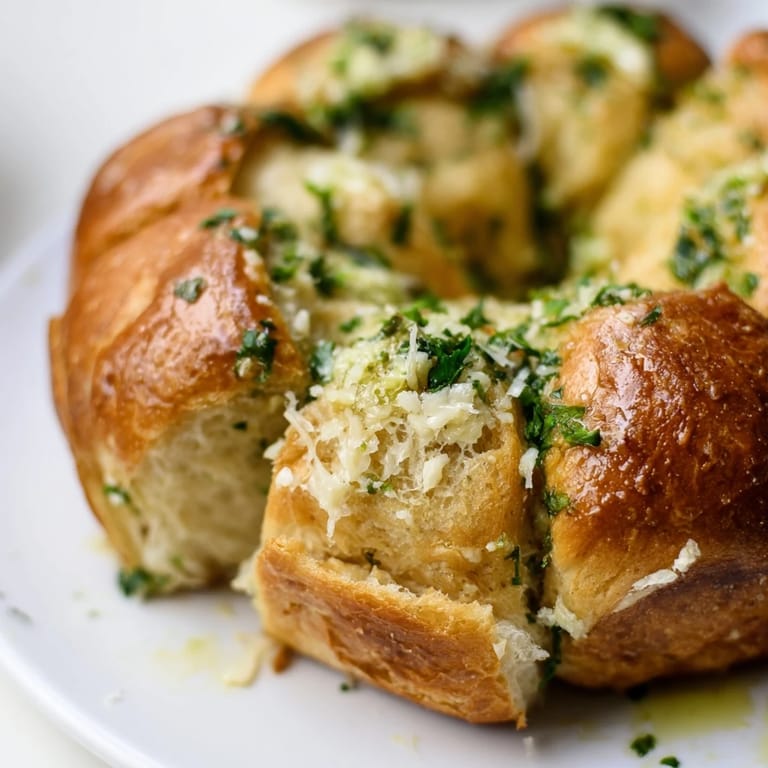
- Let the pan cool for 5 minutes, then set it on the table and let everyone pull their own roll. Watch them try to take just one.
 Pin It
 One winter evening, I served this bread alongside a big pot of tomato soup, and my friend tore off a piece, dunked it, and closed her eyes. She did not say anything for a full minute, just chewed slowly and smiled. Later she texted me asking if I could make it for her birthday instead of cake. I did, and no one complained.
How to Know When the Dough Is Ready
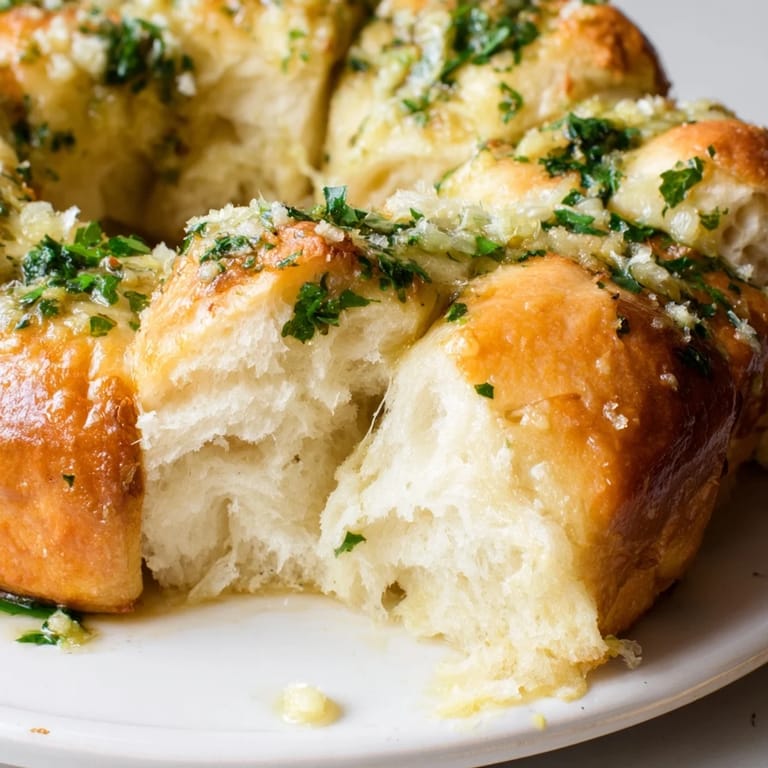
The dough should feel soft and slightly tacky but not sticky after kneading. If it clings to your hands like glue, sprinkle in a little more flour, a tablespoon at a time. When you poke the risen dough with a finger, the indent should stay and not bounce back immediately. That is when you know it has fermented enough and is ready to shape.
Make It Your Own
Tuck a cube of mozzarella into the center of each dough ball before dipping it in garlic butter for a melty, cheesy surprise. Add a pinch of red chili flakes to the garlic butter if you like a little heat. Swap the parsley for fresh basil or chives depending on what you have on hand. You can even brush the rolls with honey butter instead for a sweet and savory twist that pairs beautifully with roasted chicken.
Storing and Reheating
These rolls are best eaten warm and fresh, but leftovers can be stored in an airtight container at room temperature for up to two days. To reheat, wrap them in foil and warm in a 300 degree F oven for about 10 minutes, or microwave individual rolls for 15 seconds. The garlic butter will soak back in as they warm, bringing them almost back to life.
- Freeze unbaked, buttered rolls in the pan, covered tightly, for up to one month, then thaw and bake as directed.
- Brush with extra melted garlic butter right after baking for an even more indulgent finish.
- Serve alongside marinara sauce for dipping, it turns these rolls into a full-on appetizer.
 Pin It
 This bread has a way of turning a regular dinner into something people remember. Set it on the table still warm, and watch how quickly the conversation shifts to reaching, pulling, and asking for seconds.
Recipe Q&A
- → Can I prepare the dough ahead of time?
Yes, you can refrigerate the shaped dough balls in the pan for up to 8 hours. Let them come to room temperature and rise for an additional 30 minutes before baking. Alternatively, freeze the unbaked rolls for up to 3 months and thaw overnight before the final rise.
- → What's the best way to achieve a golden, crispy exterior?
Ensure your oven is fully preheated to 350°F before baking. Brush the rolls with the garlic butter mixture generously, and add Parmesan cheese for extra color and flavor. Bake until the tops are deep golden brown, checking around the 22-minute mark.
- → How do I prevent the rolls from drying out?
The garlic butter coating keeps the rolls moist during baking. Don't overbake—pull them from the oven as soon as they're golden brown. Serve warm, ideally within a few hours, and cover leftovers tightly to retain moisture.
- → Can I use active dry yeast instead of instant yeast?
Yes, active dry yeast works well as a substitute in equal amounts. You may need an extra 5-10 minutes for the dough to rise completely. Ensure the yeast is fresh and the milk is at the correct temperature (around 110°F) for optimal activation.
- → What are some flavor variations I can try?
Add red pepper flakes or cayenne for heat, mix in fresh herbs like dill or basil, incorporate minced roasted garlic for deeper flavor, or add crispy bacon bits to the butter mixture. You can also nest small mozzarella cubes inside each ball before shaping.
- → How do I know when the dough has risen enough?
The dough should roughly double in size and feel puffy. A simple test: gently poke the dough with your finger—it should spring back slowly but leave a slight indent. If it springs back immediately, it needs more time; if it doesn't spring back at all, it may be overproofed.