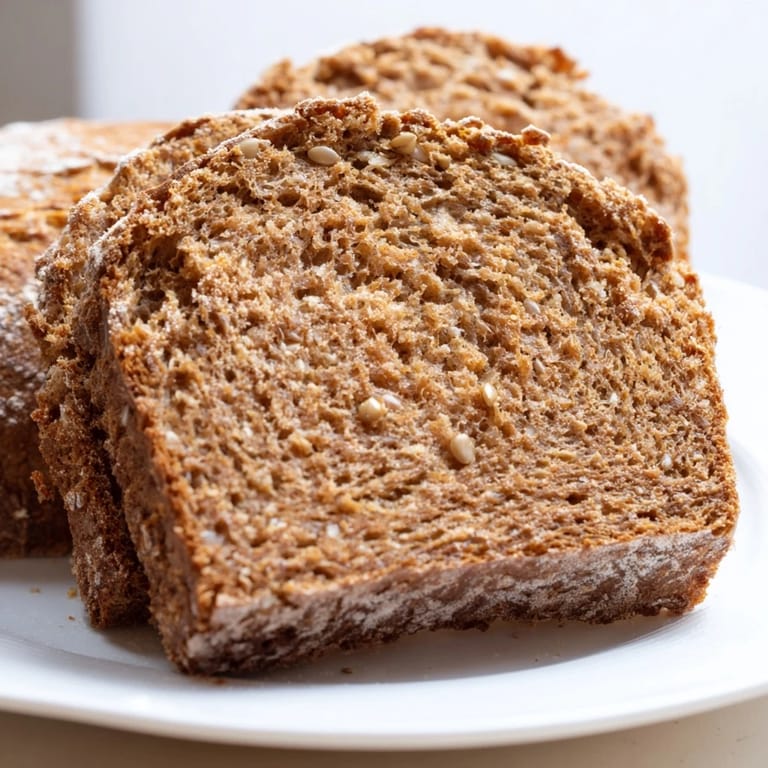
 Pin It
 I stumbled onto rupjmaize by accident at a tiny Baltic bakery tucked between a laundromat and a hardware store. The woman behind the counter handed me a dense, dark slice still warm from the oven, and the smell of caraway and molasses stopped me mid-breath. I bought the whole loaf, went home, and tried to recreate it that same weekend. It took three tries before I got the crust right, but now it's the only bread I bake when I need something that feels like tradition, even though it's not mine.
The first time I served this to friends, I forgot to mention it needed to rise overnight. They showed up at noon expecting fresh bread, and I had to stall with coffee and pastries while the dough slowly doubled in a bowl on the counter. We ended up baking it together that evening, and now they ask for it by name every time they visit. It became our accidental tradition.
Ingredients
- Dark rye flour: This is the soul of the loaf. It drinks up water like a sponge, so don't panic when the dough feels wetter than you expect.
- Bread flour: Just enough to give the crumb some structure without losing that dense, toothsome chew rye is known for.
- Active dry yeast: Let it bloom in the warm water until it froths. If nothing happens after ten minutes, start over with fresher yeast.
- Warm water: Too hot and you kill the yeast, too cold and nothing happens. Aim for bathwater warm.
- Molasses or dark honey: Molasses gives a deeper, almost smoky sweetness. Honey is gentler but just as good.
- Salt: Balances the sweetness and wakes up the caraway.
- Caraway seeds: Toast them first if you want a nuttier, more pronounced flavor. I learned this after batch five.
- Vegetable oil: Keeps the crumb moist and makes the dough easier to handle, even though rye dough will never be truly cooperative.
Tired of Takeout? 🥡
Get 10 meals you can make faster than delivery arrives. Seriously.
One email. No spam. Unsubscribe anytime.
Instructions
- Wake the yeast:
- Stir warm water, molasses, and yeast together in a large bowl. Let it sit until it foams and smells faintly like beer. If it doesnt foam, the yeast is dead.
- Build the dough:
- Add both flours, salt, and caraway seeds. Stir with a wooden spoon until it looks shaggy and sticky. Drizzle in the oil and knead for five to seven minutes until smooth but still tacky.
- First rise:
- Shape into a ball, tuck it into an oiled bowl, cover, and leave it alone for twelve to sixteen hours. It should double and smell faintly sour and sweet at the same time.
- Shape the loaf:
- Punch it down, turn it out onto a floured surface, and shape it into a round or oval. Place on parchment or in a greased loaf pan.
- Second rise:
- Cover again and let it puff up for forty-five to sixty minutes. Preheat your oven to 220°C while you wait.
- Bake:
- Dust the top with rye flour and score it if you like. Bake for forty-five to fifty minutes until the crust is mahogany and the bottom sounds hollow when you tap it. Cool completely before slicing or youll squash the crumb.
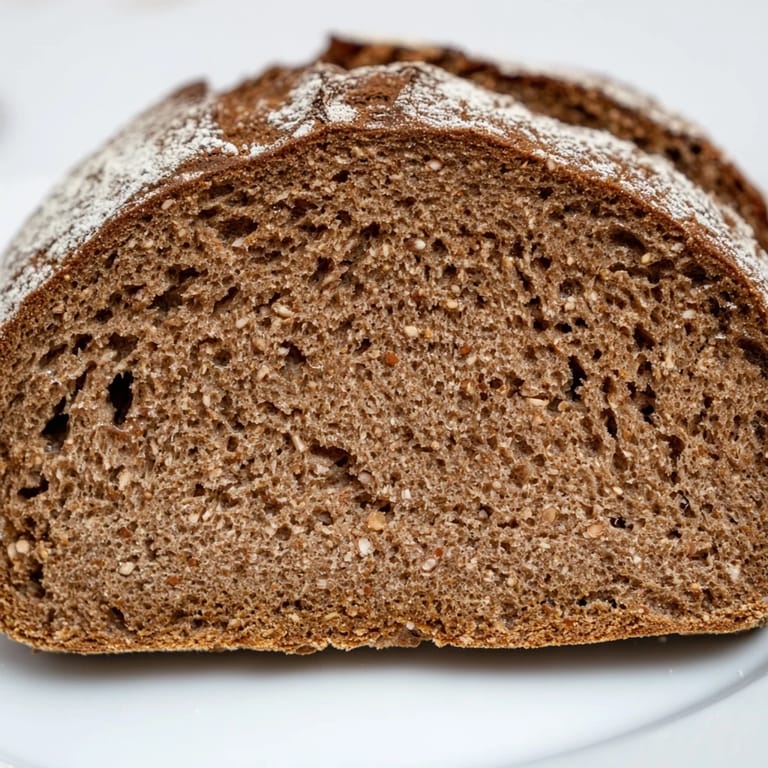 Pin It
 My neighbor once knocked on my door following the smell of this bread baking. She didnt speak much English and I didnt speak Latvian, but she smiled when I handed her a slice with butter and we sat on my porch in silence. Food has a way of saying everything without words.
Serving Suggestions
This bread is built for butter and salt, but it also loves smoked fish, sharp cheese, or a bowl of borscht on the side. I've eaten it with honey for breakfast and with pickles and sausage for dinner. It adapts to whatever mood you're in.
Storage and Freezing
Wrap it tightly in a clean towel or foil once cool and it will stay moist for five days. Slice it before freezing so you can toast individual pieces straight from the freezer. I keep a stash in the back of mine for mornings when I need something that feels like effort without any work.
Troubleshooting and Adjustments
If your loaf turns out too dense, you may have skipped the second rise or baked it before the dough fully doubled. If the crust is too pale, your oven might run cool. Bump the temperature up by ten degrees next time.
- Add a tablespoon of cocoa powder for a darker, richer color.
- Brush the top with water halfway through baking for an extra-crisp crust.
- Let the dough rise in a slightly warm oven with the light on if your kitchen is cold.
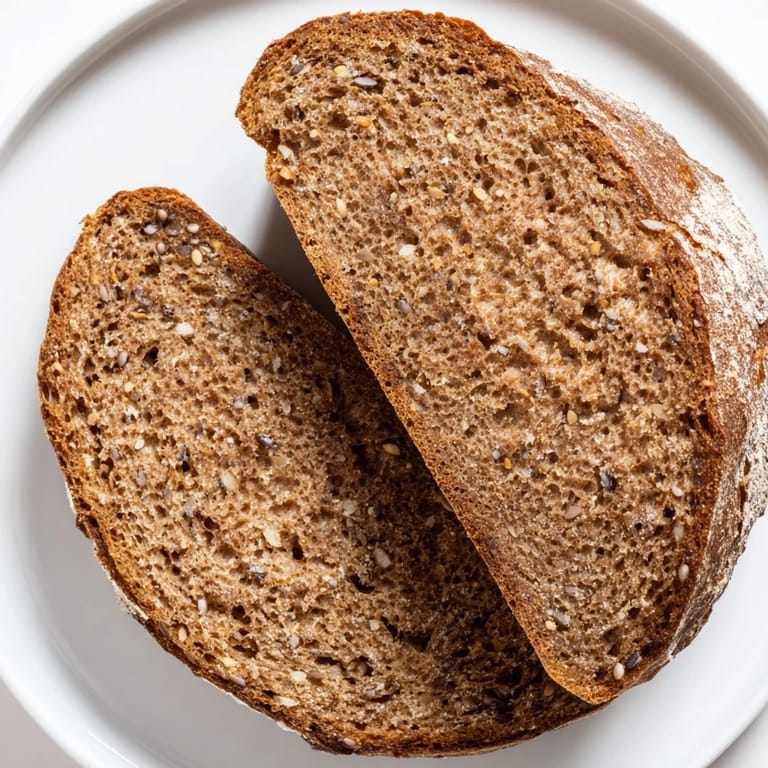 Pin It
 This bread doesn't need much to be good, just time and a little patience. Once you pull it from the oven and hear that hollow thunk when you tap the bottom, you'll know it was worth the wait.
Recipe Q&A
- → What gives Rupjmaize its distinctive flavor?
The combination of dark rye flour, molasses, and caraway seeds creates Rupjmaize’s deep, earthy, and slightly sweet taste with aromatic notes.
- → Why is the dough sticky during preparation?
Rye flour contains less gluten and more pentosans, which absorb water and create a sticky dough consistency typical for traditional rye breads.
- → How long should the dough rise for optimal texture?
A long fermentation of 12–16 hours allows flavors to develop fully and helps the bread achieve a moist crumb and robust crust.
- → Can the caraway seeds be toasted before adding?
Lightly toasting caraway seeds enhances their nutty aroma and intensifies the overall bread flavor, but it is optional.
- → What are good serving suggestions for this bread?
Slices are excellent toasted and enjoyed with salted butter, smoked fish, or hearty stews for a traditional experience.
- → How should the bread be stored to maintain freshness?
Store cooled bread in a cloth bag or wrapped loosely to retain moisture; freezing pre-sliced portions allows easy toasting later.